A story of flavour, enterprise, and belonging
Indian food has done far more than win Britain’s appetite. Over generations, it has reshaped the UK food industry, influencing how food is made, sold, shared, and experienced. This is a story of cultural exchange, entrepreneurship, and innovation — one that mirrors Britain itself: diverse, adaptable, and always evolving.
From early spice routes to supermarket shelves, and now even 24‑hour drive‑thrus, Indian cuisine has played a central role in redefining what modern British food looks like.
A New Language of Flavour (18th–19th centuries)
Indian food was one of the first global cuisines to truly change how Britain cooked. As spices such as turmeric, cumin, coriander, and curry powder entered British kitchens, they brought with them a new approach to flavour — deeper, bolder, and more expressive.
This mattered beyond taste. It encouraged the food industry to embrace creativity and fusion, long before those ideas became fashionable. Anglo‑Indian dishes like kedgeree and mulligatawny soup showed that food could tell a story of shared cultures — a principle that underpins today’s global food scene.
Indian cuisine helped Britain move from “plain” to possibility.
Redefining What Dining Could Be
Indian restaurants played a quiet but powerful role in shaping modern British dining culture. Early establishments demonstrated that food from outside Europe could be celebrated, valued, and respected — whether in exclusive settings like Veeraswamy, founded in London in 1926, or in everyday neighbourhood spaces.
Over time, Indian restaurants helped normalise:
- Eating out as a social experience
- Curious, choice‑driven menus
- Welcoming, informal hospitality
They helped shift the industry away from rigid tradition and towards openness and inclusivity, making space for new voices, cuisines, and business models to follow.
Creating Dishes That Belong Here
One of the most important contributions Indian food has made to the UK food industry is its ability to adapt. Rather than remaining fixed, it evolved alongside British tastes — proving that good food doesn’t have to choose between authenticity and accessibility.
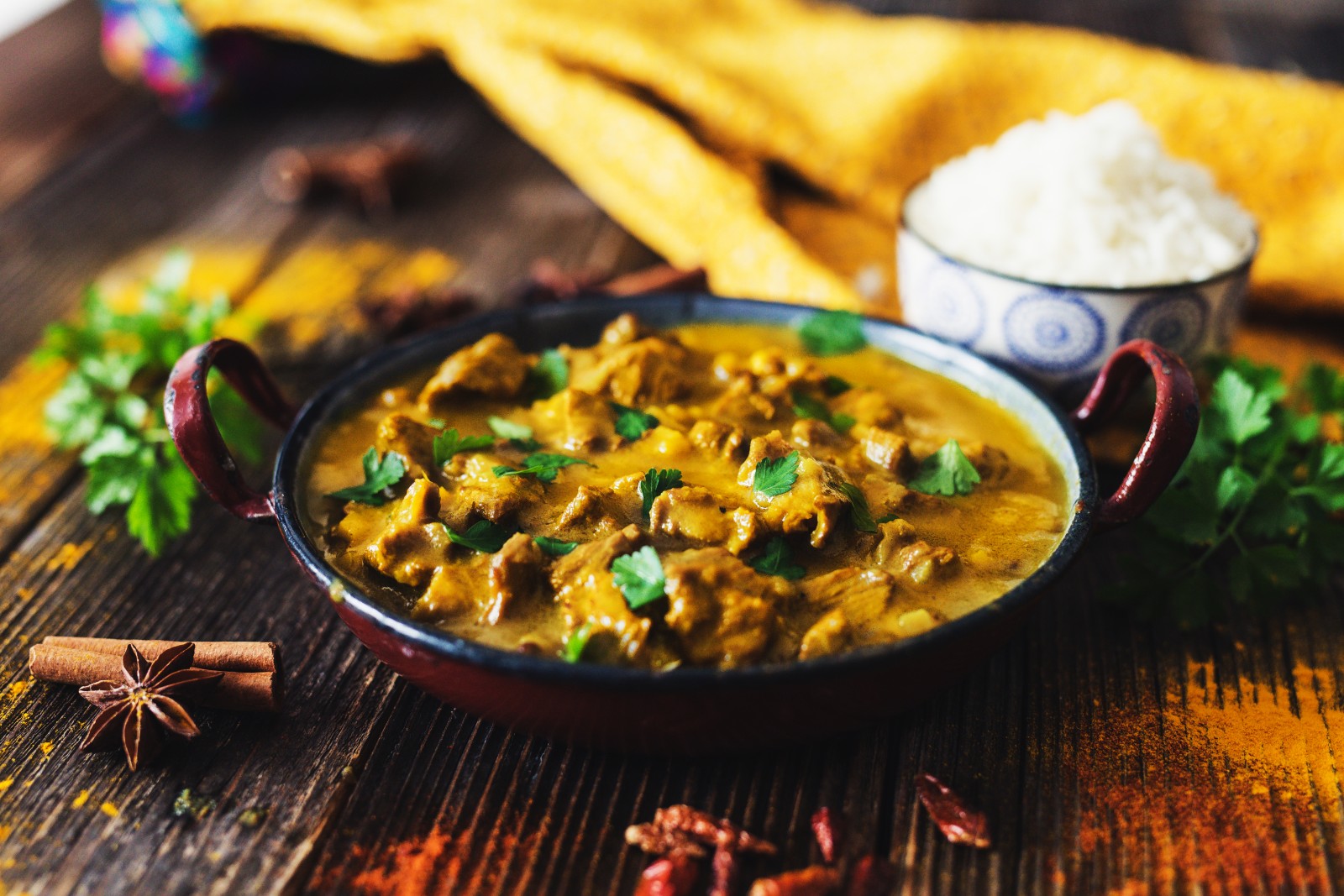
The standout example is chicken tikka masala: created in Britain, shaped by British preferences, and embraced as part of the national food story. It showed the industry something vital — that when cultures collaborate, they don’t lose identity; they create something new.
That idea now sits at the heart of Britain’s food sector.
From Restaurants to Supermarkets
Indian food didn’t stay on the high street. It made its way into supermarkets, ready meals, sauces, and spice pastes, helping transform how Britain shops, cooks, and eats at home.
Curries became a cornerstone of the UK ready‑meal market, driving innovation in food production, packaging, and retail. “World food” aisles — now a supermarket standard — owe much of their existence to the popularity of Indian cuisine.
Indian food helped make global flavours everyday, affordable, and familiar.
Built for Modern Life: Street Food to 24‑Hour Drive‑Thrus
Today, Indian food continues to lead by adapting to how people live now: busier lives, flexible schedules, and food on the move. Street‑food‑inspired concepts, cafés, and branded experiences have brought Indian flavours to food halls, transport hubs, and high‑footfall locations.
In May 2026, this journey reached a new milestone with the opening of the UK’s first 24‑hour Indian street food drive‑thru. Indian cuisine entered a space once dominated by Western fast food — proving it belongs everywhere, at any time of day.
This moment captured how far Indian food has come: fully integrated, confidently mainstream, and still evolving.