RISK MANAGEMENT
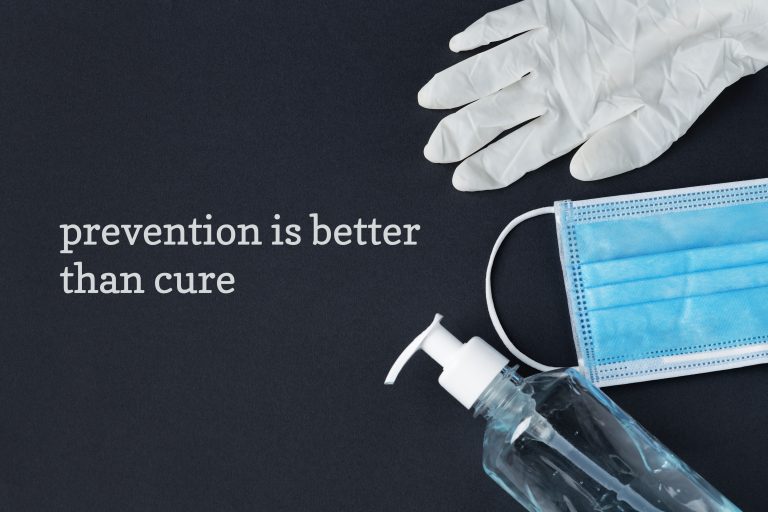
Risk management is the basis for preventing and reducing harm arising from healthcare-associated infection.
All healthcare facilities need to determine the risks in their context and select the appropriate course of action.
The outlines of a stepwise approach to risk management that allows continuous quality improvement and involves:
- Establishing context
- Avoiding risk
- Identifying risks
- Analysing risks
- Evaluating risks.
- Treating risks
- Communicate and Consult
- Establish Context
- Identify Risks
- Analyse Risks
Evaluate Risks
Consideration is given to which risks can be managed and which cannot be tolerated using ease of impact analysis
Treat Risks
A sign is placed on the door advising patients who suspect they may have measles to phone before entering the practice so that the doctor can see them in their home, or they can be put into a separate waiting area where they will not mix with other patients.
Hazard Assessment
Equipment that will protect the user against health or safety risks at work can include items such as
- Safety helmets
- Ear protection
- High visibility clothing
- Safety footwear and safety harnesses
- Thermal, weather and waterproof clothing
- Respiratory protective equipment (RPE).
THE HAZARD ASSESSMENT
The hazard assessment should begin with a walkthrough survey of the facility to develop a list of potential hazards in the following basic hazard categories:
- Impact
- Penetration
- Compression (roll-over)
- Chemical
- Heat/cold
- Harmful dust
- Light (optical) radiation
- Biologic
Documentation of the hazard assessment is required through a written certification that includes the following information:
- Identification of the workplace evaluated
- Name of the person conducting the assessment
- Date of the assessment
- Identification of the document certifying completion of the hazard assessment
PPE- Personal Protective Equipment

PPE LEGISLATION
Under the requirements of The Health and Safety at Work Act 1974, employees will not be charged with or contribute to the provision and maintenance of PPE. If there is a need for PPE items, they must be provided free of charge by the employer.
DUTIES OF EMPLOYEES REGARDING PPE
The Regulations also place the following duties on employees:
- Wearing and using PPE according to provided instructions.
- Returning PPE to its designated storage after use, unless it’s an item like footwear or clothing taken home.
- Visually inspecting PPE before use.
- Immediately reporting any loss or defect to their line manager.
- Taking reasonable care of provided PPE and only performing maintenance if trained and authorized.
PERSONAL PROTECTIVE EQUIPMENT (PPE) WASTE DISPOSAL
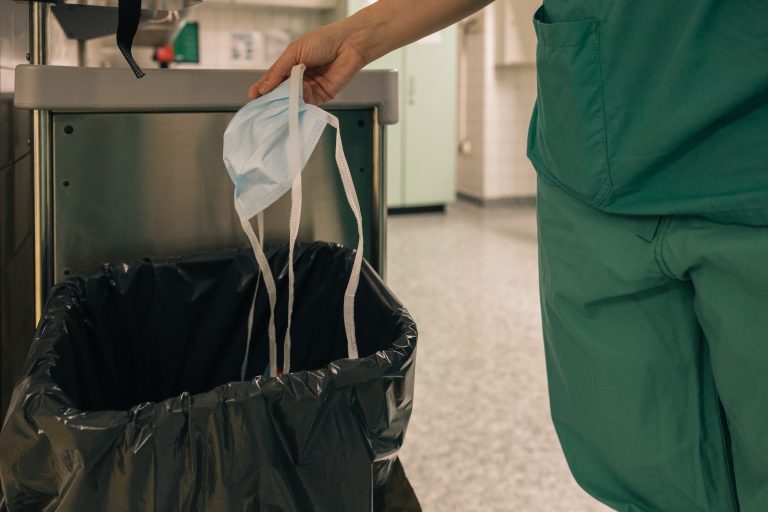
Any PPE that has not been in contact with an infection source can be disposed of as general waste. In a situation where PPE waste is exposed to possible cases, please note the following:
- PPE must be put in a plastic waste bag and tied when full.
- Plastic bag should then be placed in a second bin bag and tied.
- It should then be stored in a safe and secure place for 72 hours or until the individual’s test results are known.
In general, employees should
- Properly wear PPE
- Attend training sessions on PPE
- Care for, clean and maintain PPE
- Inform a supervisor of the need to repair or replace PPE
SELECTING PPE

Training Employees in the Proper Use of PPE
Employers are required to train each team member who must use PPE.
Employees must be trained to know at least the following:
- When PPE is necessary.
- What PPE is necessary.
- How to properly put on, take off, adjust and wear the PPE.
- The limitations of PPE.
- Proper care, maintenance, useful life and disposal of PPE.