THE GOAL OF THE INFECTION CONTROL AND PREVENTION PROGRAM
Purpose of a Risk Assessment
- Risks are reviewed and identified at least annually and whenever significant changes occur.
- Risks are assessed with input from, at a minimum, infection control personnel, medical staff, nursing, and leadership.
- Risks that are identified as acquiring and transmitting infections are prioritised and documented!
- Based on the identified risks, goals are set to minimise the possibility of transmitting infections.
- Objectives, milestones and process measures are developed and implemented to achieve specific goals.
CARING FOR INDIVIDUALS WHO HAVE INFECTIONS AND INFECTIOUS DISEASES
- Handling waste
- Handling laundry
- Handling sharps
- Cleaning
RISK ASSESSMENT PROCESS
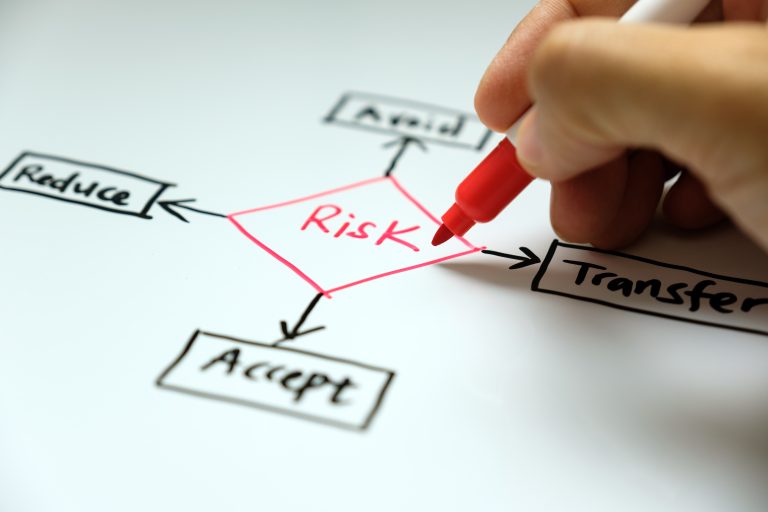
Step 1 – Identify hazards in the work setting, situations, particular activities
Step 2 – Identify who might be harmed and how e.g. individuals, you, your colleagues, others, visitors
Step 3 – Evaluate the risks, decide what the benefit of taking the risk is, whether existing control measures are sufficient, i.e. to reduce the risks
Step 4 – Document findings (where applicable) i.e. using your work setting’s documentation
Step 5 – Review and where necessary update and when required (Risks are reviewed when there are any changes to hazards and risk)
QUANTITATIVE RISK ASSESSMENT

- Benchmark
- High risk
- High Volume
- Potential negative outcome
- National Initiative
IMPORTANCE OF RISK ASSESSMENT
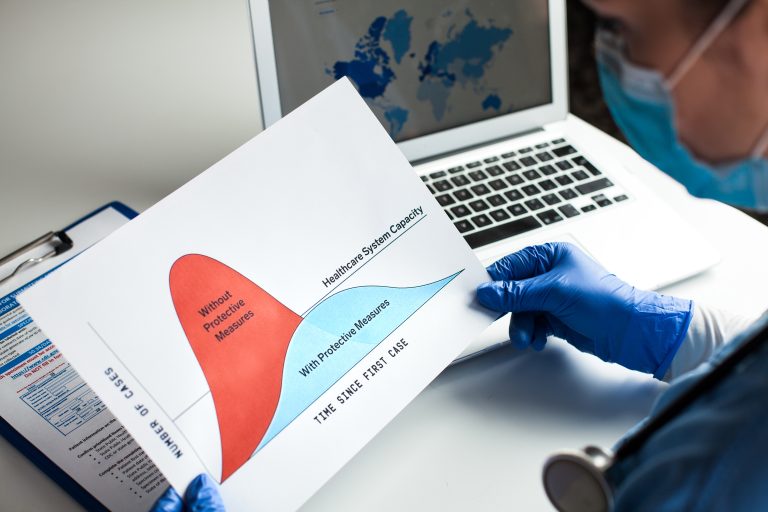
- Risk assessment is essential to identify risks of infections and prevent them or reduce them to minimise the harm they may cause.
- It is essential for protecting individuals, you and others from harm and becoming unwell.
- It enables you to fulfil your duty of care. Not carrying out a risk assessment would mean that you would not be doing your utmost to protect individuals and others from danger and harm, which is a form of abuse, i.e., neglect.
- It enables you to comply with legal requirements.
- It enables you to comply with your employer’s agreed ways of working.