LAWS AND INFECTION PREVENTION
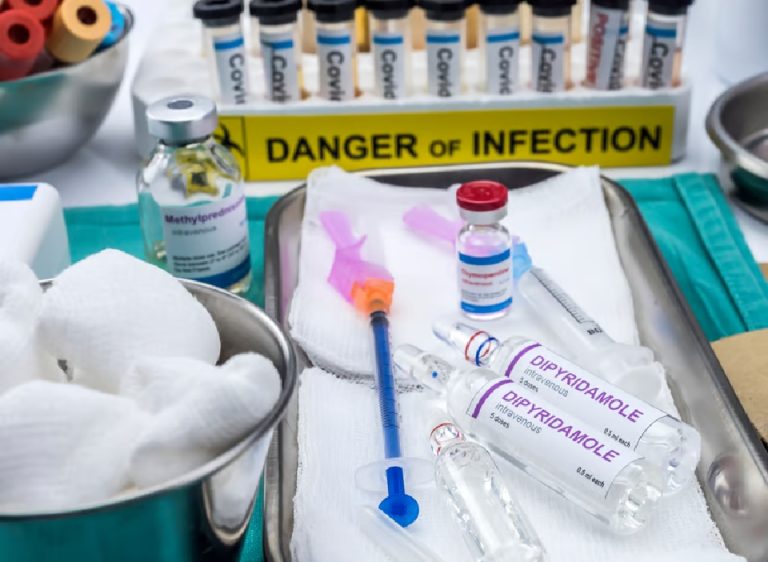
The need to protect healthcare workers from bloodborne exposures resulted in the publication of the Bloodborne Pathogens Standard by the Occupational Safety and Health Administration
The OSHA Standard requires employers whose employees have exposure to blood to provide safe work practices, education, and barriers to exposure. The standards were later amended to cover the safe use of sharps.
REGULATIONS AND INFECTION PREVENTION
- Wear appropriate protective gloves at all times
- Discard gloves used following treatment of a patient
- Wear appropriate masks, gowns, or aprons, and protective eyewear
- Sterilise equipment and devices
- Sterilise equipment and devices
- Use appropriate agents
- Clean, by the use of appropriate agents
- Maintain equipment and devices
- Adequately monitor the performance of all personnel
- Maintain appropriate ventilation devices
- Refrain from all direct patient care and handling of patient care equipment
LEGISLATION AND REGULATORY BODY STANDARDS
The doctor must complete a document stating the following:
- The name, age and sex of the patient and the address of the location where the patient is
- The reportable condition from which the patient is, or is supposed to be, suffering
- The date, or estimated date, of when the condition started
- If the place is a hospital, the day that the patient was admitted, the address of the location from which he/she came there, and the condition from which the patient is, or is suspected to be, suffering was contracted in the hospital
RIDDOR –
Reporting of Injuries, Diseases and Dangerous Occurrences Regulations

RIDDOR means Reporting of Injuries, Diseases and Dangerous Occurrence Regulations. These include the following:
- Fatal accidents
- Specified major injuries
- Dangerous occurrences
- 7 consecutive days
- Certain reportable diseases
Food safety act 1990
Framework for regulations that govern
- The activity of food businesses
- Composition and labelling of foods
- Chemical safety
- Food hygiene
ENVIRONMENTAL PROTECTION (DUTY OF CARE) REGULATIONS 1991

The Duty of Care includes an obligation on anyone who produces, imports, carries, keeps, treats or disposes of controlled waste to ensure it is only constantly moved to someone who is authorised to receive it. This aims to eliminate the problem of fly tippers posing as authorised waste disposal teams.
HEALTH PROTECTION AGENCY BILL, HAZARDOUS WASTE REGULATIONS 2005
The Management of Health and Safety at Work Act (amended 2006) states that all employers have to make suitable and sufficient assessments of
- The risks to health and safety of his employees to which they are exposed when at work
- The risks to health and safety of every person that is not in his employment arising in connection with the conduct by him of his responsibility.
NICE GUIDELINE 2003

NICE aims:
- To help practitioners deliver the best possible care
- To give people the most effective treatments based on the latest evidence
- To provide value for money
- To reduce inequalities and variation
NICE guidelines also set the standards for infection control; there are standard principles and general advice. Educated about the standard principles of infection prevention and control
- Trained in hand decontamination, use of personal protection equipment and safe use and disposal of sharps
THE QUALITY STANDARDS FOR HEALTH AND SOCIAL CARE 2006

Infection control measures:
- Isolating infected patients where appropriate.
- Effective cleaning and sanitisation.
- Effective personal hygiene, including hand washing.
- Linen and textile disinfection.
- Barrier protection masks, gloves, aprons and other PPE.