Fire Detection and Warning Systems

Fire detection and warning systems must be properly installed in all premises used by employees, as well as storage facilities. There must be an appropriate number of fire alarms and smoke detectors set up across the buildings, and these must all undergo regular testing, upkeep, and maintenance.
Depending upon the kind of workplace or general environment where you are a fire warden, you may need a different kind of smoke detection system.
- Aspirating smoke detectors (ASD) – Highly sensitive to diluted smoke over a large area,
- se a small fan to suck in air and run controlled spectrographic analysis of the sample for smoke signals – very good at detecting cooler smoke types and overloaded electrical cables. Ideal for data-centres, historically listed properties, and properties with higher ceilings
- Optical Beam smoke detectors (OBSD) – Similar to ASDs in that they too are good at detecting diffuse smoke. They work by aiming a sensor at a light source and then monitoring changes in the light source, looking for patterns of disruption to the beam that could potentially indicate the presence of smoke.
- Ionising smoke detectors (ISD) – These are the ones most commonly used in most offices and other workplaces. They contain sensors which react to the presence of free ions most commonly found in most forms of smoke. Excellent against concentrated, fast flaming fires.
- Video Smoke Detectors (VSD) – These are very useful for outdoor areas such as parks or woodland. They use computer algorithms to monitor a video feed to detect the presence of flame, smoke, or picture quality degradation that could potentially be the result of fire or smoke.
- Slide 42:-
Fire Detection and Warning Systems
Fire Wardens should become familiar with the variety of types of smoke detectors on the market, liaising with the first responsible person in the office to determine which type of smoke detector would be most suitable for their environment.
If any faults are identified in any of these systems during either a risk assessment, or general workplace observations, you should inform the first responsible person as soon as possible, and make all necessary arrangements to get the system repaired.
Specific Issues
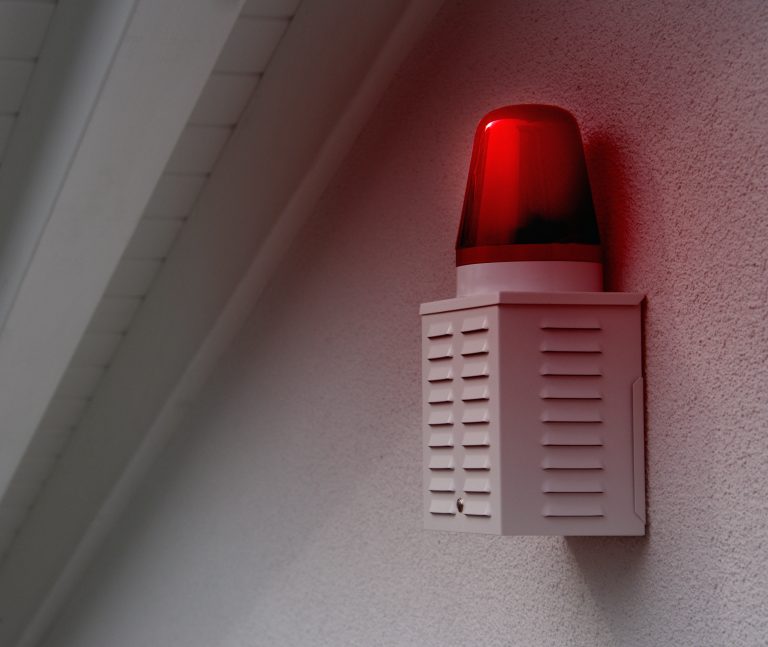
When considering fire warning systems, you must be particularly aware of the issue presented if you only use one type of warning. Depending upon their type of disability, certain staff members may be unable to hear an alarm if it uses only sound.
Equally, other disabled staff may not be able to see a flashing light. Other staff may be using noise-cancelling headphones, or in an environment where loud noises in the background are commonplace.
Other options include personal pagers – ideally fitted with some kind of vibrating alarm system, a combination of sirens and lights, a “buddy” system to ensure that a non-disabled staff member is paired with anyone who might have difficulty being warned in time by normal alarms.
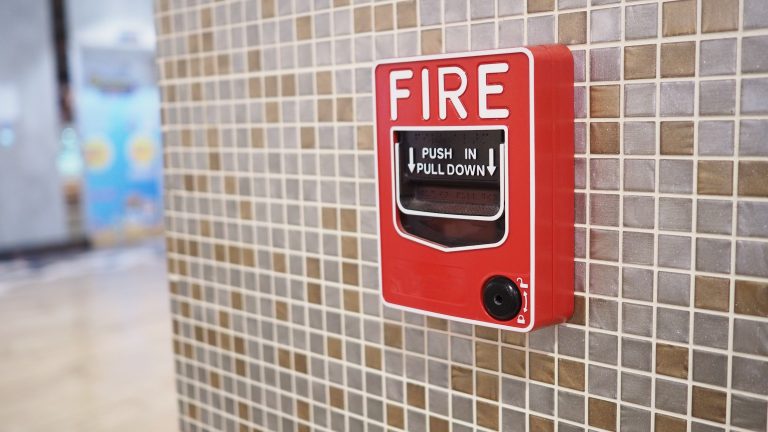
Alarms can be triggered either automatically, by inbuilt detector systems sending the apt signals to the apt receivers, or manually by members of staff pressing/pulling/smashing/operating the appropriate systems.
Everyone who is regularly on the premises must be familiar with the way that the alarms manual systems operate.
Employers are ultimately responsible for installing and maintaining alarms, the buttons/switches/panels for operating them, and the detection systems.
As a fire warden though, you must cooperate with, and fully support, your employer in their efforts to make the workplace as safe from fires as is physically possible. To this end, you will need to help them with the following
Providing staff with apt training and information concerning all the fire safety warning and detection systems installed on the premises
Testing manual control points at least once per week, and detector systems at least once every month. Make sure to test fire alarms at predictable times each week, to avoid colleagues mistaking a drill for the real thing, or vice versa.