Risk Assessments – Step Two – Determine Who Might be Harmed and How
Consider who is at risk in the event of specific fires in specific places. If you’ve identified where a fire could happen, find out who it would affect. Potential risk-laden groups could include:
- Specific groups of employees: Depending on who works where, and where the hazards are, specific groups may be at risk. Make a note of who and why.
- Customers: If your business has significant customer foot traffic, these will need to be considered in your risk assessment. Remember, they will not have been trained on your specific procedures. Factor that unawareness into your plans.
- Visitors: How often do the non-customer-facing portions of your workplace take in visitors? Are they visiting areas of potential fire
- Members of the Public: Is the area around your business densely populated? How will the evacuation of your staff be disrupted by nearby members of the public? Consider issues like this carefully.
As above, factor into your investigations the fire triangle.
- Who works near sources of ignition?
- Who attends to chemical storages that could be potential fire fuel?
- Who looks after possible oxidising agents?
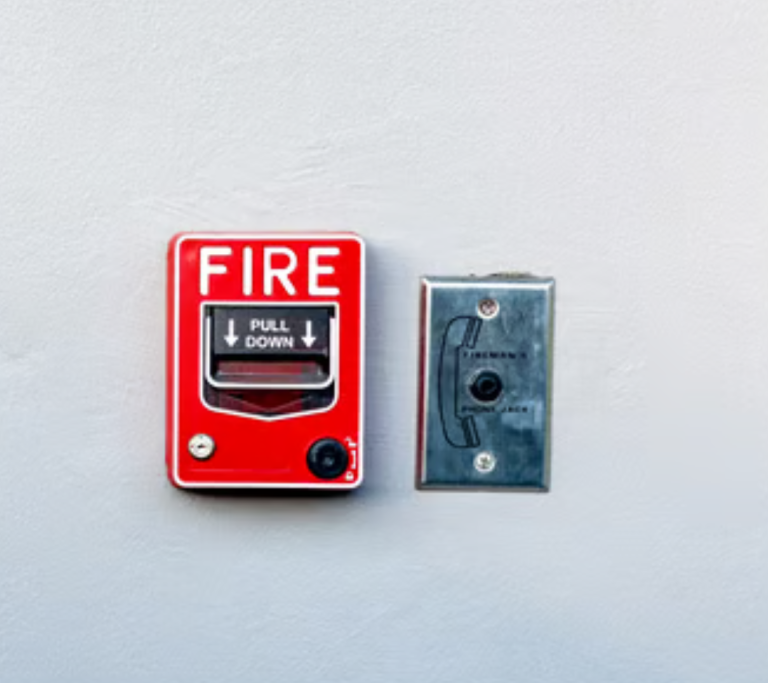
FIRE PULL DOWN
Particular risk groups – There are certain subgroups of people within your workforce who may be at extra risk. Your risk assessment should factor them in and adjust accordingly. These can include:
- Younger workers: Those with less experience or less familiarity with the premises
- Expectant or nursing mothers: Pregnant women may need extra assistance in some cases.
- Part-time workers or sub-contracting staff: These will be less familiar with the premises overall layout.
- People with disabilities or impairments: People with reduced mobility, limited hearing, visual impairments etc
- Visiting members of the public: This is an especially high risk in hotels and shopping centres. Design your evacuation procedures with their ignorance of the nuances of safety in mind.
- Lone workers, outreach workers, night workers: If your office operates a workforce where people often do not have access to a large body of support staff, these people could be at particular risk in the event of a fire.
- People with special care requirements: Individuals with developmental issues, mental difficulties, severe condition or communication impairments, are all a higher source of risk, as their evacuation is significantly more difficult than with most other people.
HYDROGEN IND
Risk Assessments – Step Three – Determine Appropriate and Necessary Precautions
Once you have finished identifying and cataloguing all the risks uncovered by your examinations in steps one and two, step three involves how to either control the risks you can’t remove, or prevent certain risks from happening in the first place. These are the two central pillars of the work you do in step three – eliminate risk or minimise potential danger.
Some examples of potential options could include
- Relocating or relocating possible sources of ignition and fuel so that they are as distant from potential sources of ignition as possible.
- Installing additional evacuation routes (externally mounted fire escape ladders)
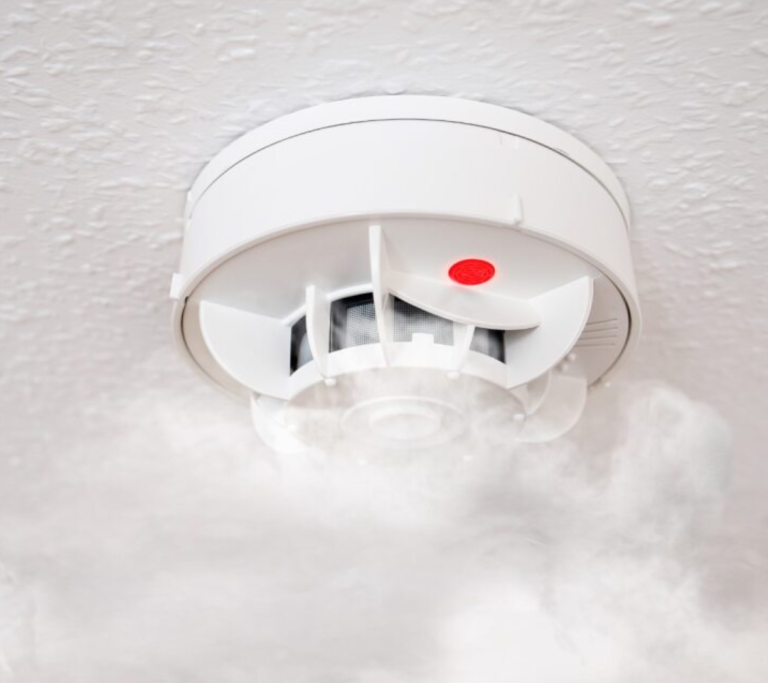
- Installing additional fire detection systems (extra smoke detectors in rooms with a high risk of ignition or large quantities of fuel)
- Rigidly determining which personnel can have access to areas containing hazardous or especially flammable materials.
- Drafting specialised personal emergency evacuation plans
- Arranging the replacement or regular maintenance of equipment that could be considered a source of risk
- Training staff in all fire safety procedures. Most notably, the use of extinguishers and the appropriate routes to take in the event of an emergency. This can ensure that all staff will avoid the kinds of behaviour that could have the potential to compromise their safety and the safety of others
Risk Assessments – Step Four – Record Your Findings and Implement Suggestions
If your workplace/business/charity/institution/office etc. has five employees or more, you are legally obligated to record the nature of your risk assessment findings. Even if you have fewer employees, this is still a very good idea.
Do this in as much detail as possible. Ensure that they are dated and that they are stored securely and accessible. This enables you to show those legally responsible for inspections etc. that you have complied with the law. The records are also useful as they can show how you dealt with specific difficulties in the past, so you can reference them if similar problems come up again.
The records need to be able to clearly demonstrate the following:
- That you have definitely carried out a full and thorough check of the entire premises
- That you have identified anyone and everyone who could possibly be affected by the fire-related danger
- That you have addressed all the obvious and most significant hazards
- That you implemented a selection of precautions that can be considered reasonable and practical, given the resources at your disposal.
- That you lowered the risks of fire in the space you control as much as is reasonably possible
- That you involved staff or staff representatives in the process of gathering as much intelligence on the safety situation as you could.
Once you have completed step four, it’s a very good idea to conduct a fire drill – allowing you to practice being in danger when it’s safe, so that you’re safe when there’s a danger. This is especially important if there have been changes to the regular procedures since the last fire risk assessment.