Risk Assessments
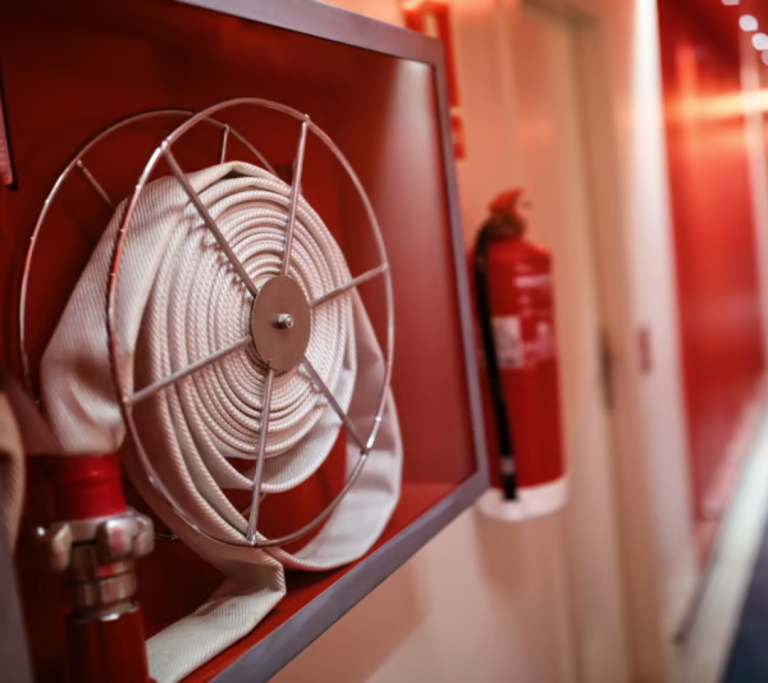
To be forewarned is to be forearmed, and in fire safety, that means doing risk assessments
As part of your role as a Fire Warden you will need to be able to carry out these assessments to ensure all potential fire hazards are accounted for, their potential effects, and how these can be controlled.
Risk Assessments – Five Main Steps
The central aspects of a risk assessment are
- Assess current risks
- Identifying potential obstacles to fire safety (blockages of exit routes)
- Assessing appropriate levels of equipment installation
- Checking that all precautions currently in place are effective
There are five main steps of a good and successful fire risk assessment. - Identify potential fire hazards – either cause of fire or impediments to safe escape
- Determine whom these hazards might affect
- Decide what the appropriate precautions would be against the identified hazards
- Record your findings and implement the new precautions
- Review and update your assessments on a regular basis.
Fire assembly point
Risk Assessments – Key Considerations
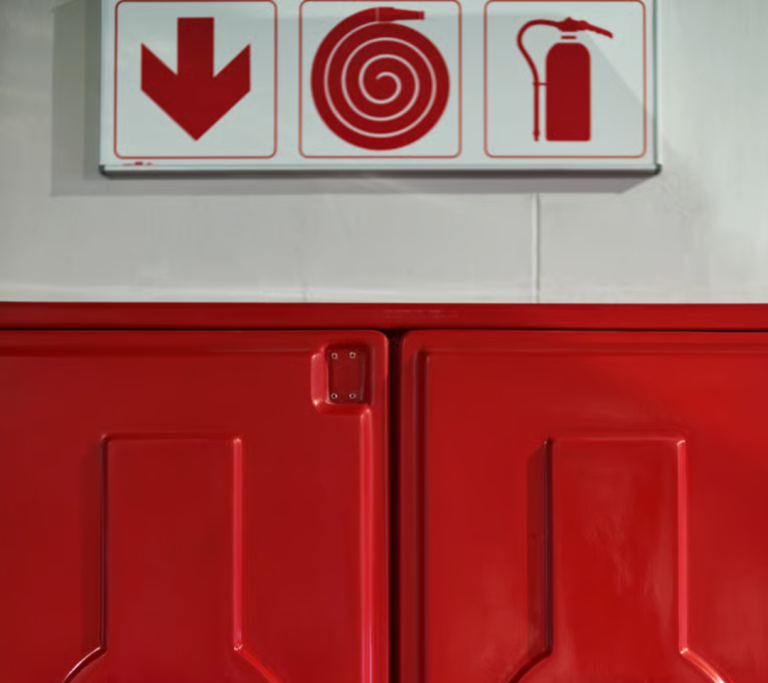
Certain terms will be useful to consider when discussing, drafting, and implementing risk assessments
- Reasonable practicality/Realistically possible: No business has infinite resources at its command. A good risk assessment is realistic, and its suggested implications are possible. Everything a risk assessment suggests should be possible within the limitations of the relevant workplaces
- Suitable: Every workplace is different, for one reason or another. Risk assessments may not be transferable between two different offices of the same company. A good risk assessment is tailored to the specific nature, task, and environment of your particular workplace.
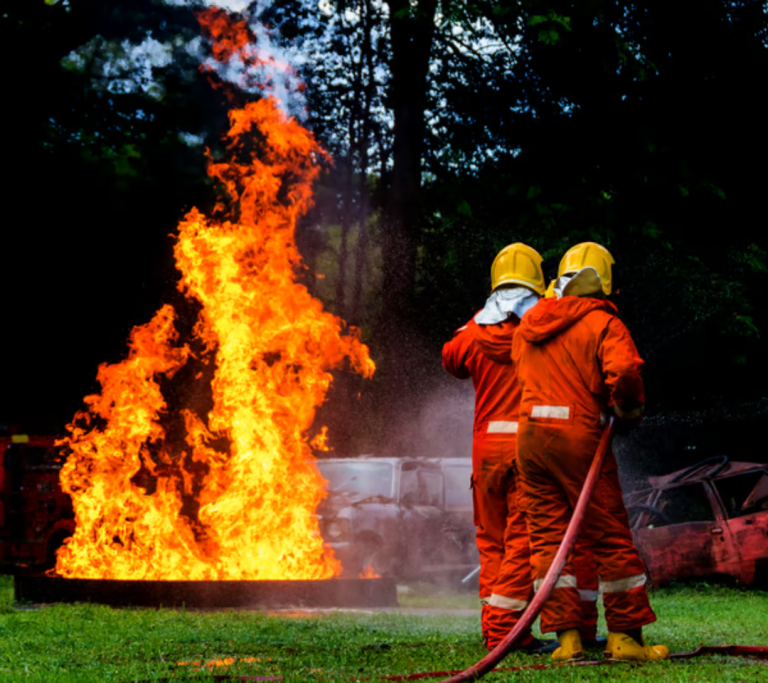
- Sustainable: A good risk assessment understands that workplaces are in constant flux. The design of the precautions and procedures you suggest implementing should not be so rigid that they cannot be altered as the workplace changes. Examples of such changes might include an increase in employee numbers, anticipation of greater customer foot traffic, new materials being regularly stored on site etc.
- Competent person: The selected individual whose role it is to carry out the risk assessment must have the relevant knowledge, experience, training, and understanding to fulfil the role properly. They will need to keep a full record of all they do, and not be afraid to ask for appropriate assistance when required.
Risk Assessments – Step One – Identify all Possible Hazards
The first part of any good risk assessments is to find any and all instances of possible issues which could affect fire safety in your workplace. There are several excellent techniques to do this, including:
- Observation: Classic detective work. Take several walks around the workplace and its various premises. Take multiple different routes, for instance the way you regularly move about the office, might not be the way you need to go in the event of an emergency. Identify anything that poses an obvious, or possibly not so obvious risk. Examples could potentially include
- Cardboard boxes stacked alongside / in the direct path of – escape routes
- Trailing leads not tapped to the floor or otherwise secured, crossing the way to escape routes
- Fire doors regularly propped open instead of being left to close.
Risk Assessments – Step One – Identify All Possible Hazards
- Overloaded plug sockets
- Potentially flammable substances stored in close proximity to older electrical equipment
- Feedback from staff/visitors: Leave feedback boxes open, and ask colleagues and visitors if they’ve noticed something they think might be dangerous. The more pairs of eyes examining the situation, the more likely they will find something you have missed. Visitors opinions may be especially valuable as they examine the building/location with a fresh perspective.
- Read and check manufacturers instructions or data sheets: Manuals and certificates of maintenance or other documentation on equipment found in the office can be of great value when looking for potential fire risks. There may be information there you weren’t aware of. Some may even specifically outline what the potential fire risks are. This is particularly important with older equipment, as sometimes people fall into the trap of believing that because something has never gone wrong. it never will go wrong.
- Double-check fire safety equipment and fire doors: Fire alarms must be in full working order at all times. Fire extinguishers need to be fully in date-double-check any expiry dates or maintenance logs. Fire doors should close completely without human intervention. Emergency lighting should come on immediately when it is activated.
- Review accident and ill-health records: Have there been any incidents in the past linked to possible fire safety concerns. Trips or falls near emergency exits or down emergency stairwells. Look into these, and see if anything was done previously. If not, think of what you could do differently.
EX GEVAAR EXPLOSIEVE ATMOSFEER
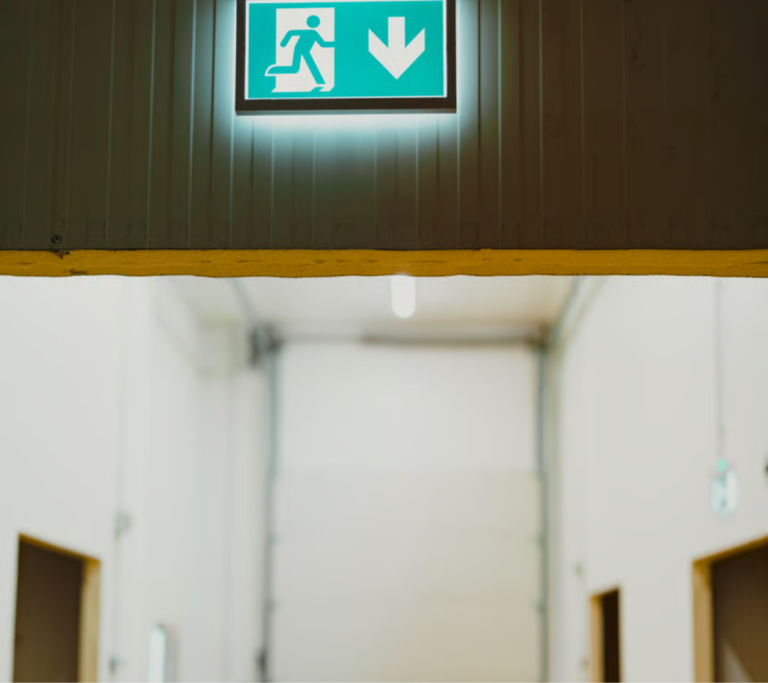
The key thing you need to remember when looking to identify potential fire hazards is the fire triangle.
- Find sources of ignition: Things like electrical equipment, ovens, naked flames, anything that could generate a spark. Identify them, log them, and see if there is a way to mitigate their danger
- Locate potential fire fuels: Flammable chemicals, paper, wood, cooking oil. All these and others we have previously discussed. Log them, catalogue them, and keep them as far away from sources of ignition as possible.
- Determine additional sources of Oxygen: It isn’t much you can do about the Oxygen that’s in the air all around us, but there may be other sources you haven’t considered. Are there any oxidising chemicals in your office? Are there fans or ventilation systems that could redirect air? Can these be shut down in the event of a fire?