Fire Safety Law
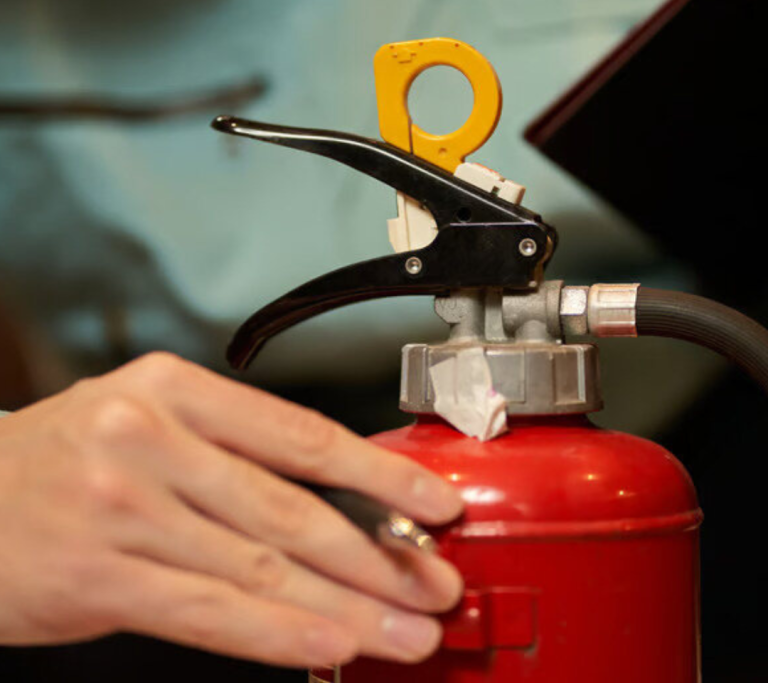
To Meet fire safety law requirements, workplaces need to meet the following basic criteria:
- Prevention: Take reasonable steps and establish sensible precautions to reduce the risk of fire.
- Preparation: Put plans and procedures in place to ensure safety should fire ever break out.
- Scotland – The Fire Safety Regulations, 2006
- England and Wales – Regulatory Reform (Fire Safety) Order, 2005
- Northern Ireland – The Fire Safety Regulations, 2010
- United Kingdom – The Dangerous Substances and Explosive Atmospheres Regulations (DSEAR), 2002
Fire Safety Law – DSEAR
The Dangerous Substances and Explosive Atmospheres Regulations, 2002 outlines the employer’s responsibilities to prevent explosions in the workplace.
These regulations cover items that are:
- Flammable
- Explosive
- Oxidising
Substances of this kind require close regulation. If your company uses such substances regularly, you and your colleagues must undergo specific DSEAR training.
- The warning sign for explosive atmospheres is just the letters EX in black font on a yellow background.
- A triangular symbol indicates there is an explosive atmosphere nearby
- A hexagonal symbol indicates this device has been certified for use in EX environments
Fire action if you discover a fire
- Operate nearest fire alarm point
- Call the Fire brigade by telephoning 999
- Leave the building by the nearest exit
- Report to your assembly point
- Do not stop to collect personal belongings