Potentially Dangerous Fuel Sources
Any flammable substance that could potentially keep a fire going is considered a fuel. Some examples include:
- Paper and cardboard
- Plastics (the thinner the individual pieces, often the more flammable they become)
- Wood (of all kinds – including composites such as chipboard, balsa wood, and MDF)
- Fabrics (very few fabrics are flame retardant, and they are labelled as such)
- Rubber
- Foam
- Flammable liquids (paints, varnishes)
- Flammable gasses (natural gas, petrol vapours)
- Aerosol products (Air freshener, deodorant/antiperspirant)
Potentially Dangerous Oxygen Sources
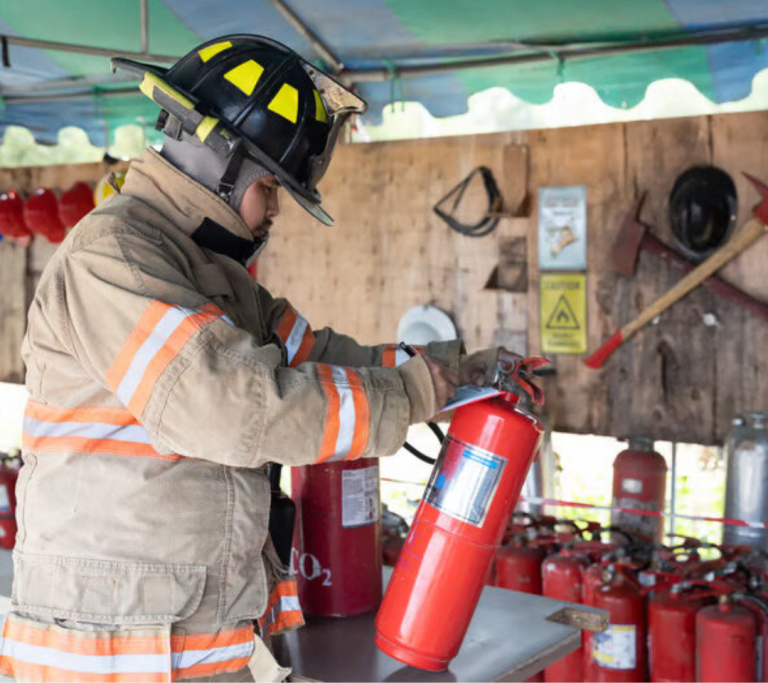
Oxygen, or O2, is a gas that makes up one-fifth of our air, and so is around us all the time. Obviously, this in itself is not dangerous, but it is also not the only source of O2. In the wrong place at the wrong time, additional O2 could be the cause of a very dangerous fire safety risk.
Other O2 sources include
Oxidising substances – Some examples include:
- Nitric acid (found in many household cleaners)
- Hydrogen Peroxide (found in many hair bleaches)
- Chlorine compounds (often found in swimming pools)
- Ammonium nitrate (often found in fertilisers and industrial explosives)
- Oxygen canisters – Often used in medical situations or for divers or in certain industrial settings
- Pyrotechnical systems
Oxygen is the least controllable of the three portions of the fire triangle. Fuel and ignition are the most vital ones to watch.
The Types of Fires
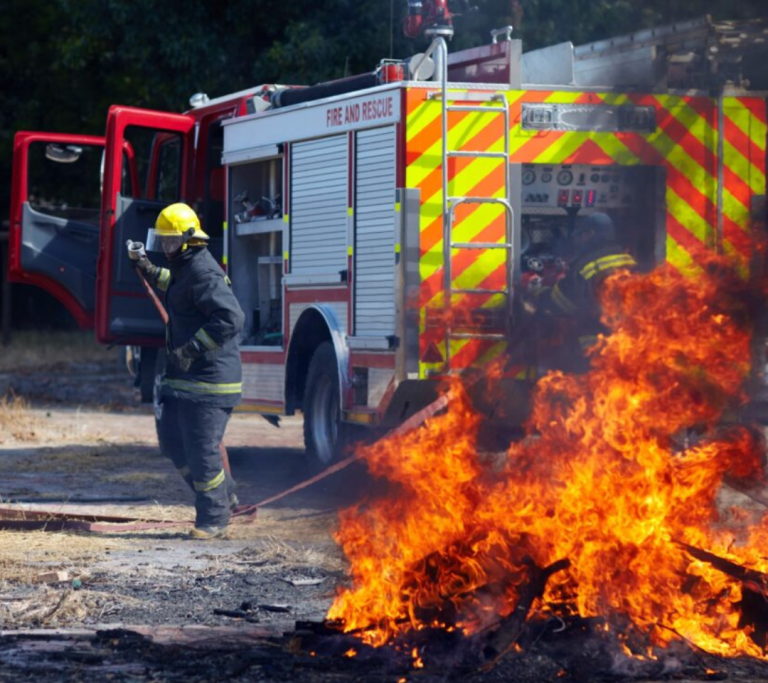
While all fires share certain obvious similarities, there are some important underlying differences that, if properly understood, means that it’s possible to turn a potential inferno into just a spark in the bin.
The six types of fires are as follows:
- Class A: Fires that use non-metallic solid materials as fuel
- Class B: Fires fueled by non-oil/fat liquids
- Class C: Fires involving ignited gaseous chemicals
- Class D: Fires involving metals
- Class F: Fires involving cooking oil and fatty byproducts
- Electrical Fires
Class A Fires
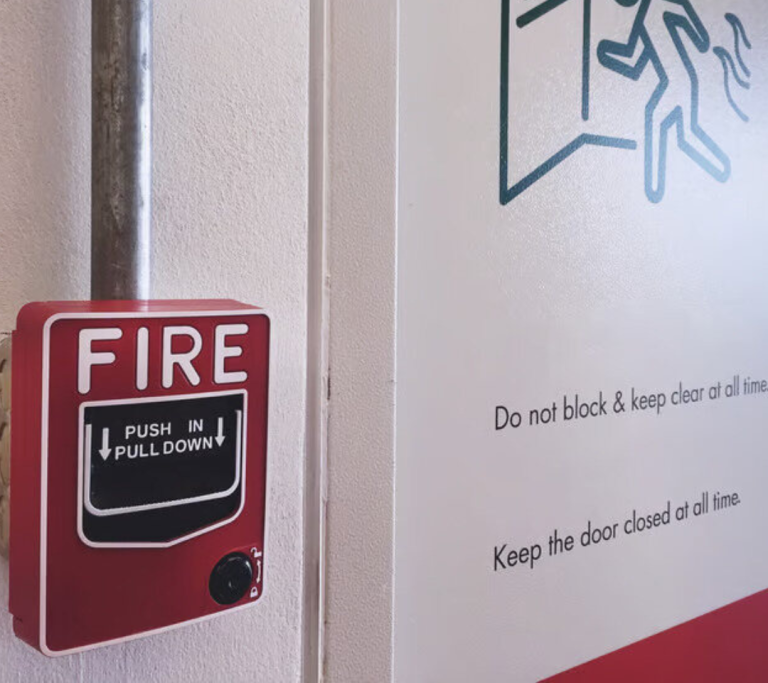
Class A fires are perhaps the most common because they involve the most basic combustible materials. They are solid materials and usually have some kind of organic background.
Fuels of Class A fires include:
- Wood (building structural elements usually)
- Paper & Cardboard (stationary & other office materials)
- Cotton/Polyester and other fabrics (main hazards for this are curtains, carpets, clothing, furniture coverings)
- Plastics
- Coal
Class B Fires
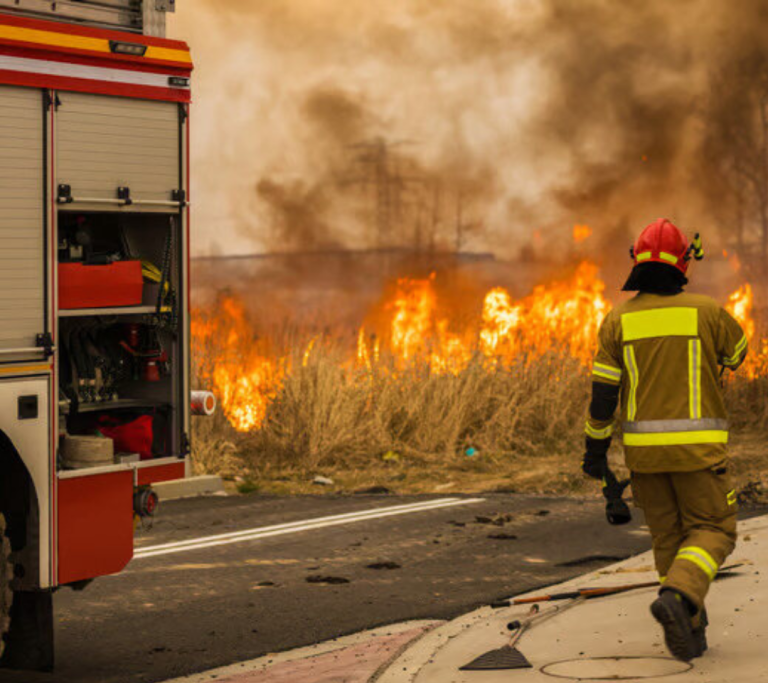
Class B fires involve flammable liquids of some kind. Although many kinds of liquid are theoretically flammable, the ones to take particular care of are those who have ignition temperatures below 100 degrees Celsius. These are the central focus of safety concerns of potential Class B fires.
These liquids include:
- Industrial cleaning chemicals
- Paint
- Varnishes
- Petroleum products
- Alcohol
Note – Some of these liquids also produce gaseous byproducts when in open containers, so their risk factor increases dramatically.
Class C Fires
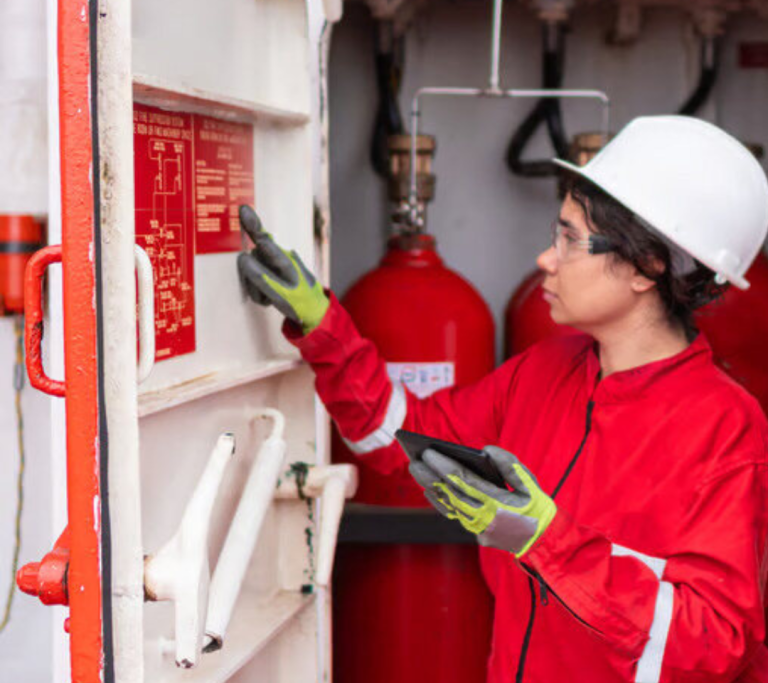
Class C fires are caused following the igniting of flammable gasses. These are possibly the single most dangerous kind of fire, because of their potential to explode. Among the most common examples of these are:
- Propane
- Butane
- Hydrogen
- Methane
- Aerosols
In case of a Class C fire, the first thing to do is to locate the source of the fuel, a gas canister or pipe or can or something else, eliminate/contain it, and then begin fighting the remaining fire.
Class C-Contain the Source FIRST
Class D Fires
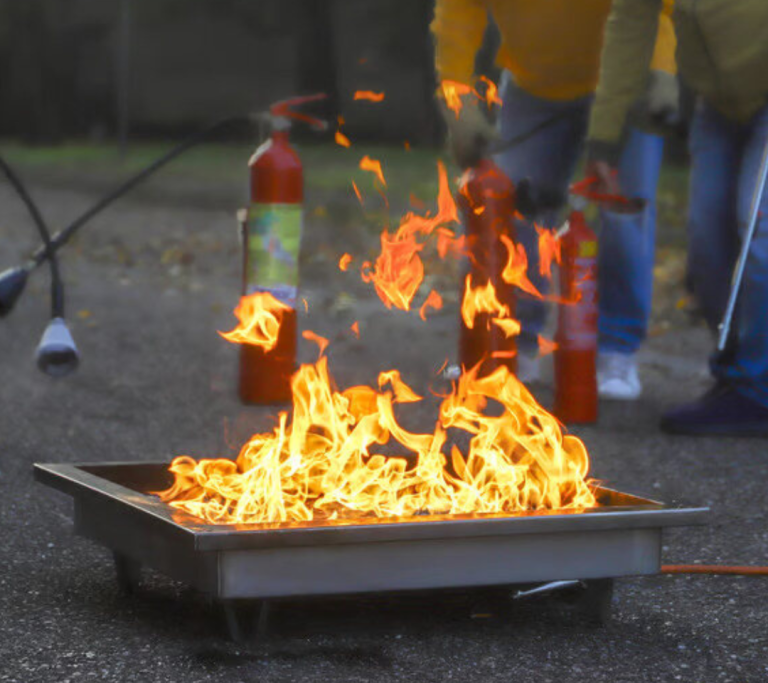
Class D fires involve solid metal fuels, or metal filings/powder
Some examples of potentially dangerous metal fire hazards include:
- Magnesium
- Lithium
- Sodium
- Potassium
- Titanium
- Aluminium
It’s vital to know which of these, or any other metals, is involved in a fire.
For example, Lithium, Sodium, and Potassium all react explosively to water – so chemical extinguishers will be needed there.
Explosions, or other results of other incorrect approaches to these kinds of fires, can result in the fire spreading further, faster, and becoming more out of control.
Electrical Fires
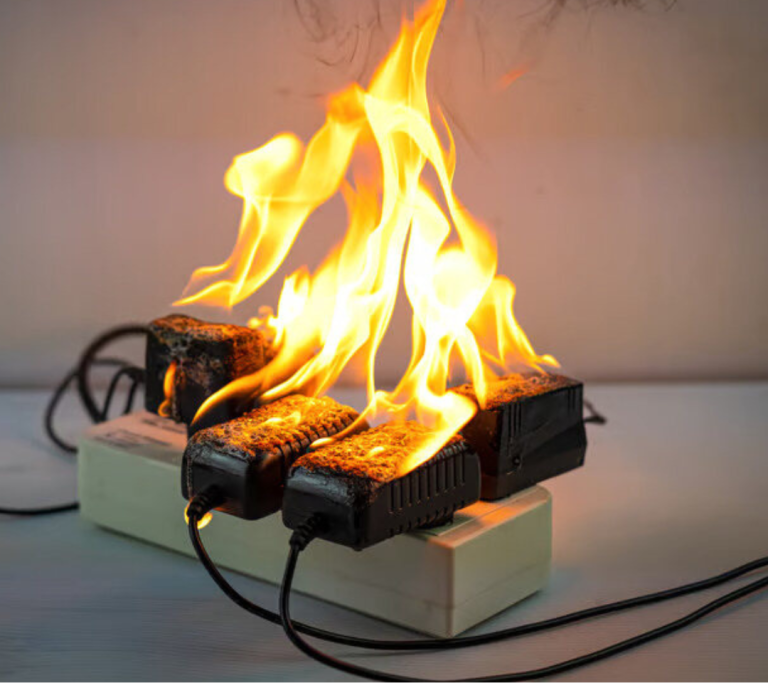
These are fires caused by incorrectly functioning electronic equipment. This can include:
- Plugs/Extension leads bearing too much power load
- Equipment short-circuiting causing spark discharges
- Overheating/Faulty/Incorrectly installed/Misused equipment
- Broken/Damaged / Poorly Aged wiring or cables
- Equipment that has not been repaired/maintained correctly
When dealing with electrical fires, the first step is always to isolate the power supply. Failing to do this could restart the fire because electrical fires are to do with ignition, not fuel, they are not a class like the others
Class F Fires
These fires are caused when fuels such as cooking oil and fatty byproducts etc. are burned at very high temperatures, usually in kitchens.
Examples of potential sources include:
- Lard
- Butter
- Vegetable Oils
- Sunflower Oil
- Oil
- Maize Oil
Normal fire extinguishers will be ineffective in dealing with these kinds of fires for two main reasons:
- The fire that’s burning is at a much higher temperature than most others
- The source is liquid, so attacking it with water will merely displace, rather than extinguish the fire
Because these fires are often caused in frying pans or deep fat fryers – they are often combatted better with fire blankets than fire extinguishers.
These are fabrics coated with a flame retardant covering. Draping them over the pan starves the fire of oxygen and extinguishes it. If your workplace has a large kitchen, these would potentially be wise additions to fire extinguishers.