Fire Drills
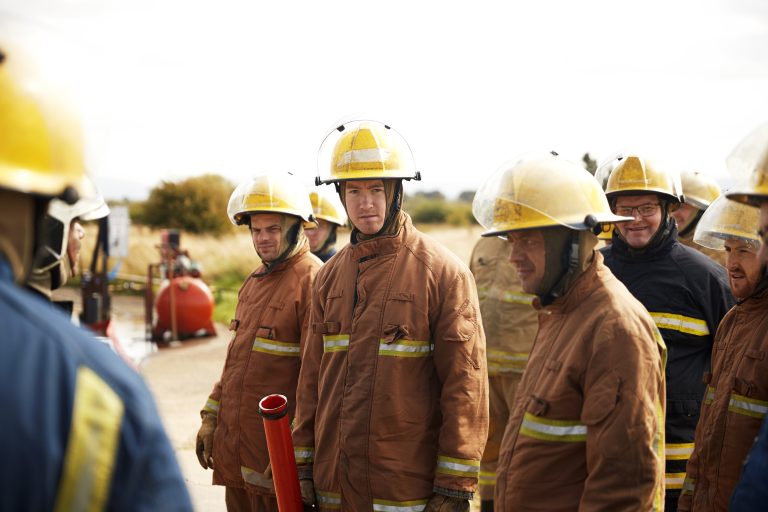
Fire drills must be treated with the same level of severity and concern as a real fire. To not do so is to fail to understand the purpose of the fire drill. It is to record the success of the fire safety procedures, evaluate their effectiveness, and improve upon them where necessary.
Once you have evacuated the building, fire safety staff such as fire wardens could well be asking you a variety of questions about the nature of the fire safety situation. Be sure to give them your full cooperation to ensure that the systems used to keep you safe can be effectively monitored.
Summary
What have we learned?
Simultaneous Evacuation, Vertical Phased Evacuation, Horizontal Phased Evacuation, Staff Evacuation/ Silent Alarm, Defend in place – these are five main strategies when it comes to evacuating staff
No one should be allowed to work somewhere they cannot leave in an emergency situation safely.
Under the Health and Safety at Work etc. Act 1974 and the Equality Act 2010, workplaces of all kinds are required by law to provide reasonable adjustments to their workplace if anyone requires it for safety reasons.
Personal Emergency Evacuation Plans (PEEP) should contain information about the specific safety measures that need to be used in case of a fire for specific people.
Fire drills must be treated with the same level of severity and concerns as a real life fire, and it has to record the success of the fire safety procedures, evaluate their effectiveness, and improve upon them where necessary.