Fire Emergency: Evacuation Procedures
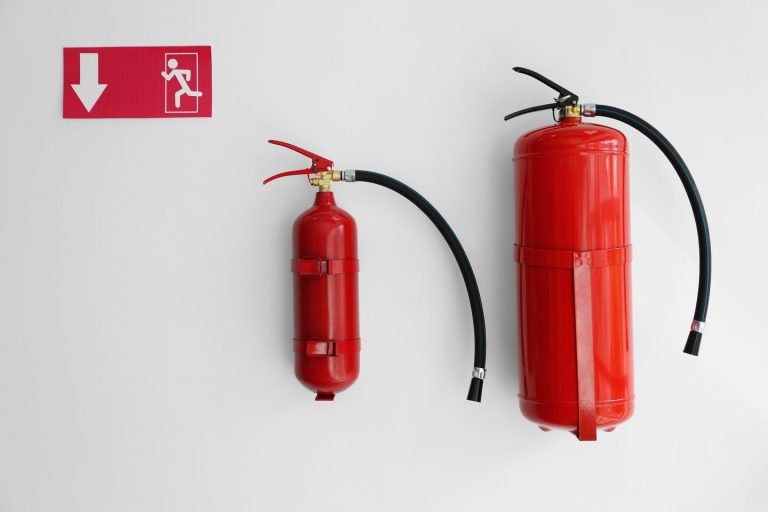
There are five main strategies when it comes to evacuating staff:
Simultaneous Evacuation – the most common method. All people on the premises will walk through the escape routes in a calm and orderly fashion, obeying any instructions the Fire Warden gives them. They will assemble at a specific designated point.
Vertical phased evacuation – this method is more typical among complex buildings with several floors. Those at most risk are evacuated first, while others have to wait. The floor currently on fire will be the first evacuated, as well as the floors above.
Horizontal phased evacuation – this method is similar to vertical, in that it involves moving those most at risk first; however it is used in premises like hospitals/care homes, and it allows people to be moved to different safer rooms where treatments
Additional Fire Evacuation strategies
Staff evacuation/silent alarm – this strategy is used in situations where it is undesirable to set off a general alarm, as it risks creating panic when there are large numbers of untrained people in the building (EC cinemas, shopping centres etc.). Staff receive a silent notification of a fire, usually through a pager, and they calmly organise a phased evacuation.
Defend in Place – in certain circumstances, the occupants of a building may stay put in order to Iet the ire brigade come in to deal with the fire. This is a high “risk strategy. However, it may be necessary for some circumstances, e.g. in a hospital with patients on life support.
Personal Emergency Evacuation Plans
Personal Emergency Evacuation Plans or PEEPs are bespoken and specific fire safety evacuation plans that are designed for specific individuals who may not be able to make use of the normal means of emergency evacuation without assistance.
The development of such plans is primarily the responsibility of the employer or the first “Responsible person” however, the fire wardens should assist in the development of these plans.
Who may need a PEEP?
Under the Health and Safety at Work etc. Act 1974 and the Equality act 2010, workplaces of all kinds are required by law to provide reasonable adjustments to their workplace if anyone requires it for safety reasons.
No one should be allowed to work somewhere they cannot leave in an emergency situation safely. As a fire warden, you should review your emergency escape procedures and make a PEEP for anyone who cannot make use of them normally, as well as speak to the first responsible person about making apt adjustments.
People in need of a PEEP may be the following
- Disabled individuals / impaired individuals -this can include issues related to mobility, sight, cognition, or hearing
- Expectant mothers/nursing mothers
- Anyone with good reason to not be familiar with the premises or evacuation procedures – e.g. part-time staff, new employees, or visitors
- Anyone working in an area where the fire alarm is inaudible
- Those who cannot understand the fire safety information – for example, if English is not their first language
Those on higher floors, or parts of the building that are more com; to navigate
People with temporary injuries – EC a broken leg
Anyone with special care needs – e.g. the residents of a care home
Some of these people may be able to fill in a PEEP form to give you the best possible ideas of their needs. For others, you will have to make educated assessments based on available evidence
Indications for PEEP
A PEEP should contain information about the specific safety measures that need to be used in case of a fire for specific people. This could include the following
Visual alarms – forthose hard of hearing
Vibrating pagers – for those hard of hearing or in isolated parts of the building
Braille signs, audio alarms/tapes, or large print-for those with visual impairments Assistance from a designated person – Sometimes known as a “buddy” system
Special arrangements – Ramps, fire fighting lifts, evacuation chairs
Be sure to communicate a PEEP directly with the person it concerns.
Fire Evacuation
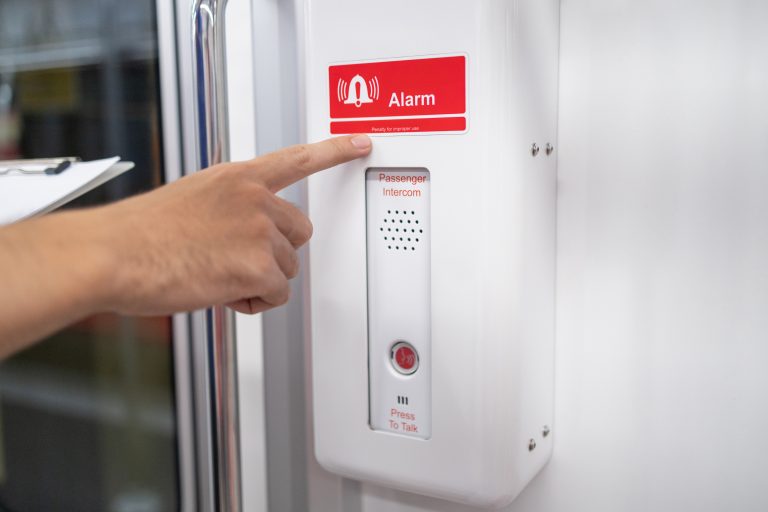
There are several important steps to make a fire evacuation safe and successful. While some of these vary based on the specific nature of the evacuation strategy your workplace uses, there are some broad strokes that are often the same
- Obey the instructions of your fire warden
- Leave any and all personal belongings in the building
- Move-in the correct order to your nearest assembly point
- Inform the fire warden or other apt authority of any obstructions or other problems
- Obey the instructions of the fire and any fire fighting personnel once outside.