Fire Escape Routes
Fire escape routes need the following qualities
Protection from fire and smoke using specific highly resistant materials
Clear illumination, to be provided for by emergency lighting
Clearly identifiable on floor plan maps and diagrams
Clearly signposted and marked, so its visible for non-trained staff/ visitors
Unobstructed at all times
Avoiding any hazardous areas, such as flammable chemical storage etc
Able to accommodate individuals with mobility impairments, either with the use of specialised equipment (evacuation chairs) or inbuilt infrastructure (special lifts)
Fire Doors & Emergency Ventilators
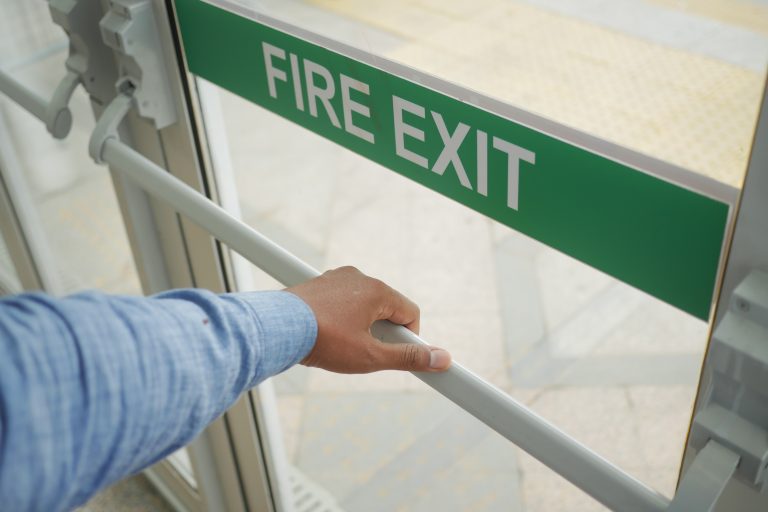
To keep everyone safe, your building should also be fitted with measures designed to prevent the spread of fire and the accumulation of smoke. These include fire doors and smoke ventilators.
To make sure that fire doors are effective in preventing the spread of smoke, controlling flames, and Limiting fires access to Oxygen, the following elements need to be in place.
The main body of the door- Fire doors must be completely solid, and if they contain any windows or other forms of glazing, they must be constructed from fire-tested glass
The frame – because the purpose of fire doors is to limit the spread of Oxygen, to help with suffocating fires, the frame of the door must fit as close as possible to the door itself, avoiding all unnecessary gaps Slide
The seals – The door must have apt seals around all points of its edge
The warning signs – It must be clear that the door is a fire door, and what this means in practice.
The hinges-Any fire door must have at least three fire rated hinges, to resist heat damage
.The Iock and closing features -Any latch or locking mechanism must be sufficiently tight and secure that the door is fully pressed to the seals when itis closed. There must also be a closer feature to ensure that the door will be pushed back to a closed position when it is not in use.
Fire Safety Signs
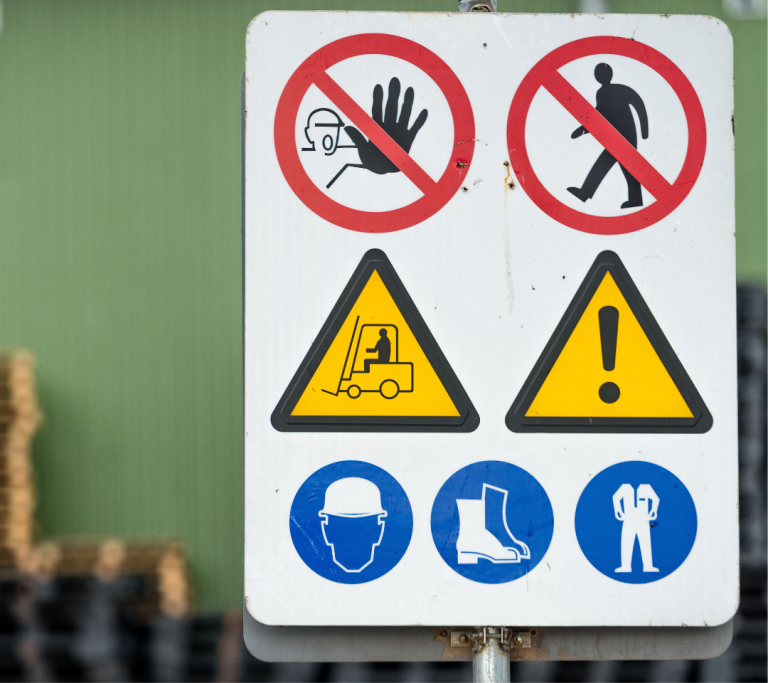
Any fire safety warning signs present throughout the building should be unambiguous as to their meaning, well lit at all times, and above all else, accurate.
Escape route signs need to be visible both along all exit routes, and most crucially at all changes of direction.
Signs indicating the direction of the nearest fire exit should be visible at all times
Any door that could be confused with a fire exit should be clearly labelled as to what it actually is, ideally with a clear label of a different col our EC toilet or cloakroom or waiting area etc
Fire safety signs should be illuminated by emergency lighting that is not connected to the main power supply of the premises
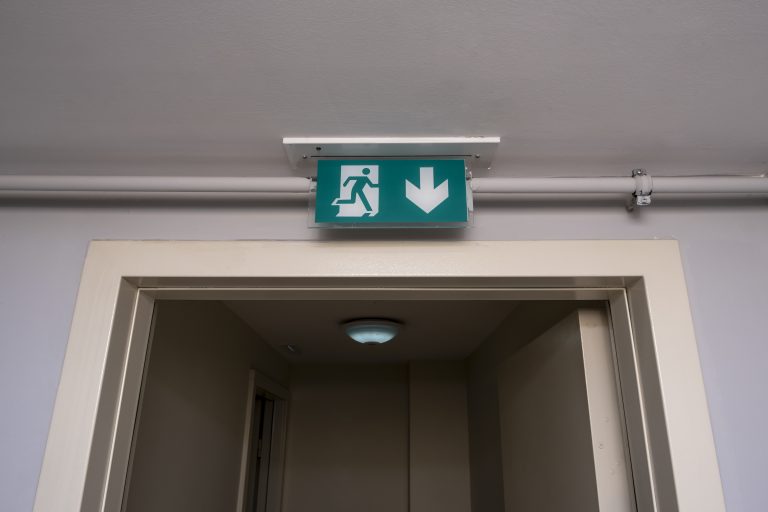
Emergency exit signs above the Final exit door should feature an image of a green man running out the door with no arrows and the word “Exit “in clear letters.
All emergency exits and fire escape signs must feature graphics and warning icons in addition to text
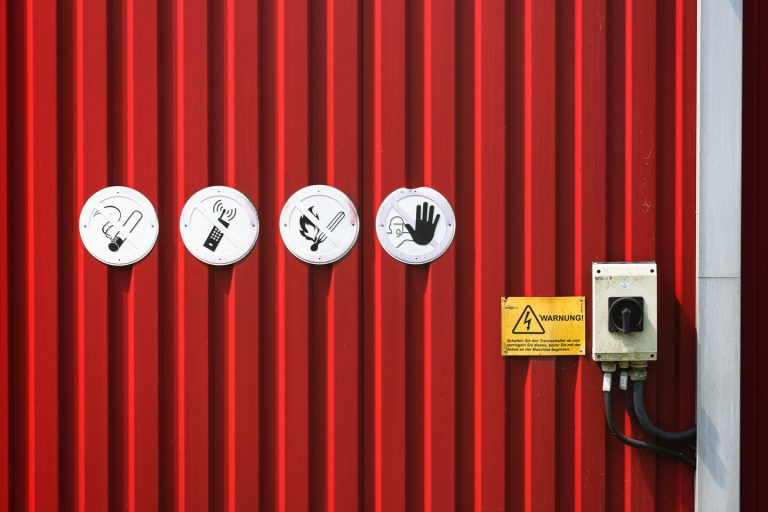
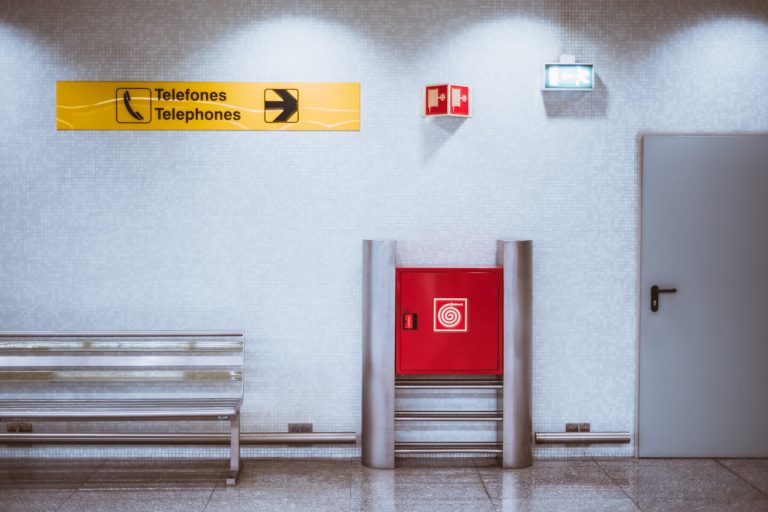
The following are examples of common fire safety signs, and their meanings
Fire extinguisher sign
Fire alarm switch/call point sign
Fire hose reel sign
Fire blanket sign
In case of fire do not use lift sign
Fire door keep shut sign
Fire exit direction sign
Fire assembly point sign
Use stairs in case of fire sign
Fire Safety Arrangements – Emergency Lighting
Emergency lighting is to ensure that emergency routes and exits stay illuminated even in the event of a loss of power due to fire
Lighting sources need to be positioned at the following places
Near each corridor intersection
Above each emergency exit door
At each change of direction in the escape route
Near each staircase so that every flight of stairs is illuminated directly
Near any change in floor level
Outside each final exit door
Near fire fighting equipment
Near each alarm activation point
Emergency lighting should be tested monthly at least
Summary
What have we learned?
* Good housekeeping is a vital part of preventing fires. Workplace’s waste management procedures and designated area for smoking are an integral part of good housekeeping.
* It’s a legal obligation that fire detection and warning systems have to be properly installed in all premises used by employees, as well as storage facilities.
* Test manual control points at least once per week, and detector systems at least once every month. Make sure to test fire alarms at predictable times each week, to avoid colleagues mistaking a drill for the real thing, or vice versa.
* There should be at least one fire extinguisher installed on every floor and for every 200 square metres of floor space.
* Any fire safety warning signs present throughout the building should be unambiguous as to their meaning, well lit at all times, and above all else, accurate.