Introduction
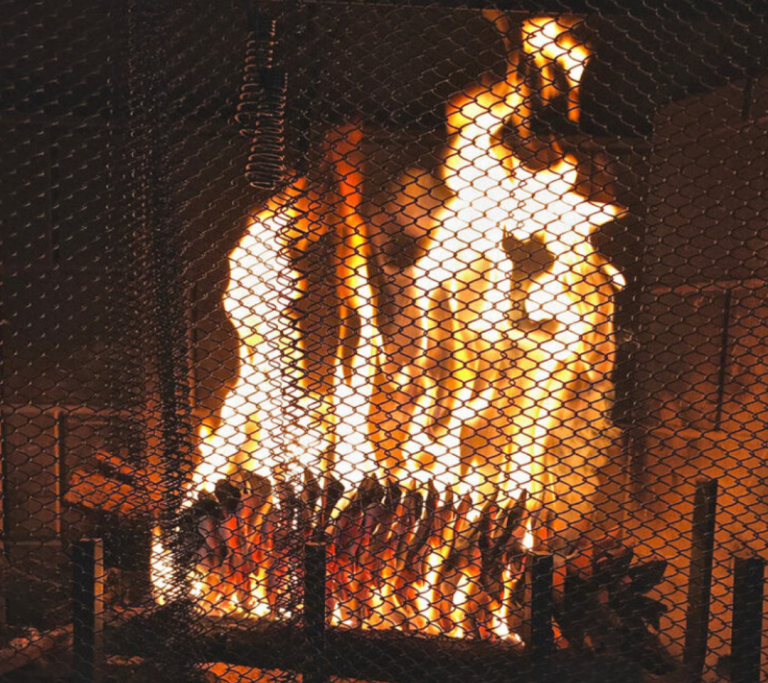
- Why Fire Safety is important
- The Fire Triangle
- The types of fires
- Responsible Persons
Why Fire Safety is Important
Fires can cause devastating and indiscriminate damage to thousands of UK businesses every year.
ONS-Statistics on Non Dwelling Building Fires
- 2013/2014 – 16,523
- 2014/2015 – 15,560
- 2015/2016 – 16,024
- 2016/2017 – 15,859
- 2017/2018 – 15,577
ONS Statistics on Non Fatal injuries caused by Non Dwelling fires
- 2013/2014 – 924
- 2014/2015 – 888
- 2015/2016 – 1,096
- 2016/2017 – 897
- 2017/2018 – 994
The Importance of Fire Safety
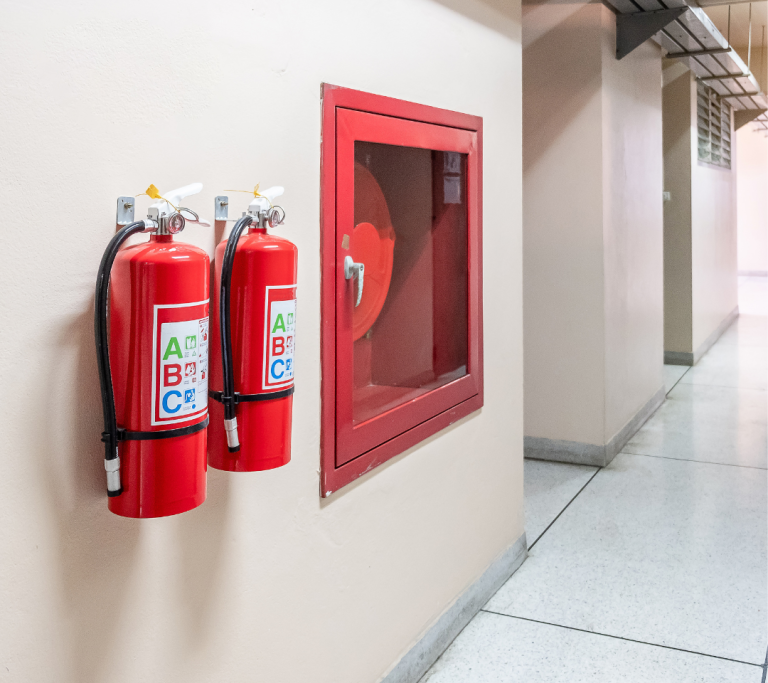
Beyond the destruction of property, severe injuries, and even occasionally-lethal fatalities, fires can cause other losses too:
Time – Downtime waiting for repairs to be finished, phone-calls, forms, and other bureaucratic wranglings-dealing with insurance, staff time redirected towards locating replacement stock, and so much else.
Customer Goodwill – The sympathy and goodwill of your customers have limits. They put in orders, and they still want returns on their money. Fires cause delays and losses that customers rarely forgive or forget.
Resources – Stock, equipment, records, data, and much more besides. All kinds of resources that can make the work of a business functionally possible. When it’s gone, it often cannot be replaced.
Many businesses simply will not ever recover following a fire.
The Fire Triangle
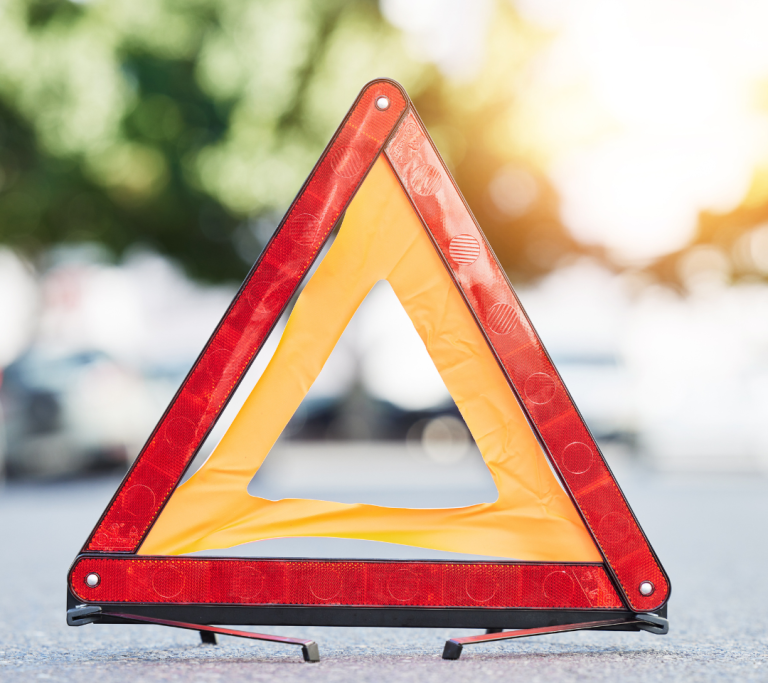
For a fire to start, it needs all three of the following things to be present in sufficient supply
- Fuel – A flammable chemical, be it solid, liquid, or gas
- Oxygen – The chemical that makes up 20% of the standard atmosphere, with more emerging from oxidising substances.
- Ignition – A high level concentrated heat source
Potentially Dangerous Ignition Sources
Flammable substances and oxygen interact all the time, but with ignition, they become dangerous. Ignition sources range from the obvious to the ignored and can include:
- Naked flames-candles, gas cookers, lamps/lanterns
- Embers/Ash-fireplace remains, discarded cigarettes
- Electrical equipment-especially if it is faulty. Overheating and sparking are common in faulty electronics
- Static electricity
- Friction in equipment-Loose bearings or insufficiently lubricated joints in machinery