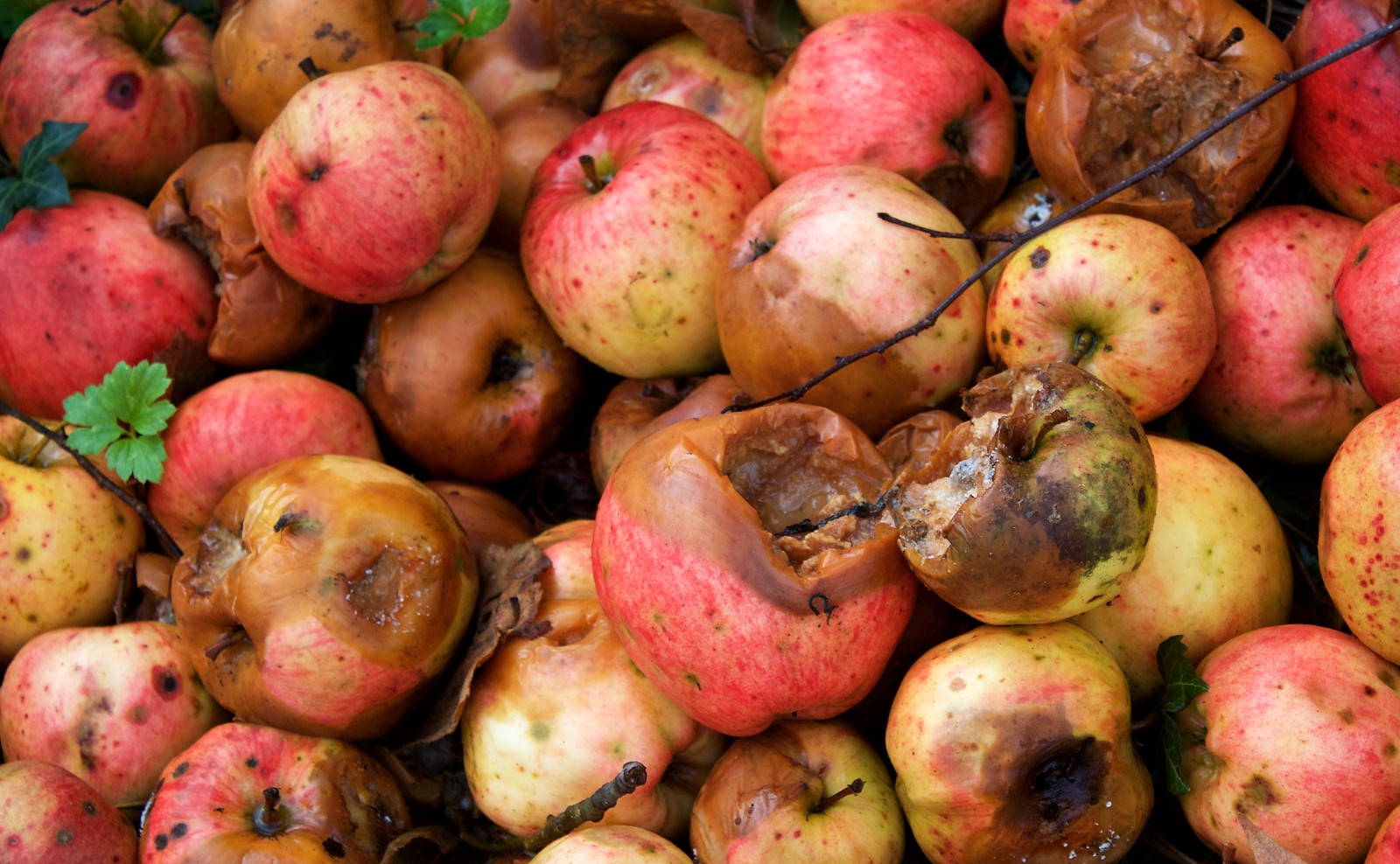
The summer of 2026 has presented one of the biggest challenges Somerset’s cider industry has faced in recent years. Prolonged heatwaves, drought conditions and a lack of rainfall have put orchards under significant stress, leaving many farmers facing reduced yields and raising questions about the future of traditional cider production.
A Difficult Year for Somerset Orchards
Somerset’s cider industry is built on its orchards. For generations, the county’s unique climate has provided ideal conditions for growing classic cider apple varieties such as Dabinett, Kingston Black and Yarlington Mill.
This year, however, extreme weather has disrupted that balance.
The combination of intense heat and prolonged dry conditions has resulted in apples developing earlier than usual, while many fruits have remained significantly smaller than normal. Across Somerset and neighbouring cider-growing regions, growers have reported that a lack of rainfall has restricted fruit growth, reducing the amount of juice that can ultimately be extracted during pressing.
For some producers, trees have responded to drought stress by shedding fruit before it has fully matured, resulting in substantial crop losses. Reports from across the county suggest that some orchards are experiencing dramatically reduced harvests compared with a typical year.
The Earliest Harvest on Record
One of the clearest signs of changing conditions has been the timing of the harvest.
Thatchers, one of Somerset’s largest cider producers, has begun harvesting apples earlier than at any point in its 122-year history. Managing Director Martin Thatcher described the summer heat as “devastating” for many traditional orchards, although he remains optimistic about the overall quality of this year’s fruit.
Harvesting is expected to finish by mid-November, around six weeks earlier than it would have done three decades ago. Historical records from the Thatcher family show that apple pressing once continued well into late autumn and sometimes towards Christmas.
This shift highlights the growing impact climate change is having on agricultural calendars across the UK.
Less Fruit, But More Flavour?
While yields may be down, growers are reporting one unexpected benefit.
The hot, dry conditions have concentrated sugars within the fruit, creating apples with greater sweetness and more intense flavour profiles. Industry experts note that smaller apples often contain higher sugar levels, potentially producing ciders with greater depth, complexity and higher potential alcohol levels during fermentation.
For cider makers, this creates both opportunities and challenges.
Premium craft cider producers may benefit from richer flavours and distinct vintage characteristics. However, reduced juice volumes mean there will simply be fewer litres of cider available from each tonne harvested.
What Does This Mean for the Cider Industry?
The immediate concern is supply.
Smaller harvests inevitably mean less fruit arriving at presses across Somerset. Independent cider makers are likely to feel the greatest impact, particularly those who rely entirely on their own orchards and freshly pressed juice. Some producers have reported harvest volumes falling dramatically compared with previous years.
Potential consequences include:
- Reduced cider production volumes
- Increased cider apple prices
- Greater competition for quality fruit
- Higher production costs
- Potential retail price increases
While larger producers may have existing stock reserves to help offset shortages, smaller operations could face a much more challenging winter and spring.
Adapting to a Changing Climate
Many Somerset growers now believe that extreme summers may become more common rather than exceptional.
As a result, cider producers are investing in long-term solutions. Thatchers is trialling around 100 apple varieties to identify those best suited to future climate conditions, while growers across the region are exploring more resilient rootstocks, regenerative farming practices and improved soil management techniques.
Some orchards are also considering irrigation systems, although these can be prohibitively expensive for traditional cider apple production where margins are often lower than eating apple operations.
The challenge is not only maintaining production levels but preserving the distinctive character that has made Somerset cider famous around the world.
Looking Ahead
The 2026 harvest may ultimately be remembered as a turning point for Somerset cider.
Although many growers are facing reduced yields, the fruit that has survived is reported to be packed with sweetness and flavour. Consumers may well enjoy some exceptional ciders from this year’s vintage, even if production volumes are lower than usual.
What is becoming increasingly clear is that Somerset’s cider industry is entering a new era, one where adapting to heat, drought and changing weather patterns will be just as important as the traditional skills of growing, pressing and blending apples.
For an industry deeply rooted in the landscape of the West Country, the challenge now is ensuring that future generations can continue to produce the iconic ciders that have defined Somerset for centuries.