Topics to be Covered
-
Prioritising the treatment of casualties
-
Contacting the emergency services
-
Recording incidents and reporting
-
Dealing with a casualty
-
Clearing up after an incident
Introduction to First Aid at Work
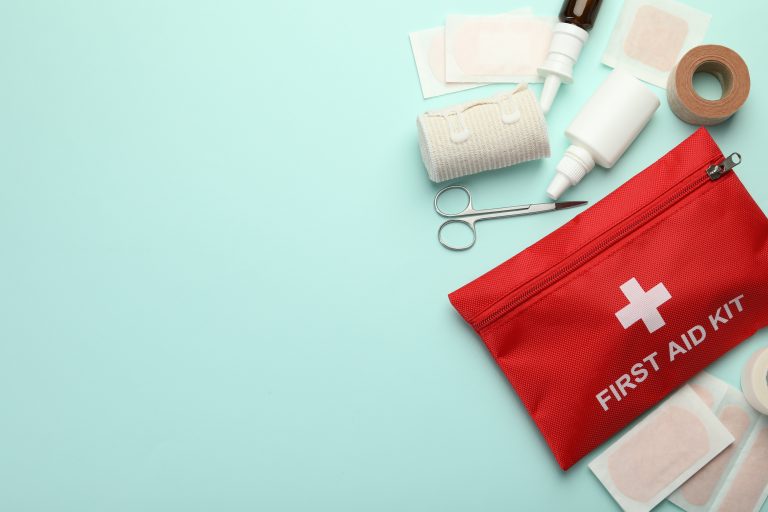
The natural reaction to an injury is to contact Emergency Services immediately. However, wherever you are at your workplace, there may be a significant delay until medical professionals arrive.
In 2017, the UK NHS announced their ambulance response target times to reach the patient:
-
Category 1 (Life-threatening): 7 minutes
-
Category 2 (Emergency): 18 minutes
-
Category 3 (Urgent): 120 minutes
-
Category 4 (Non-urgent): 180 minutes
As the name suggests, First Aid is the primary treatment given to an injured party before the arrival of professional medical personnel.
The Aim of First Aid at Work

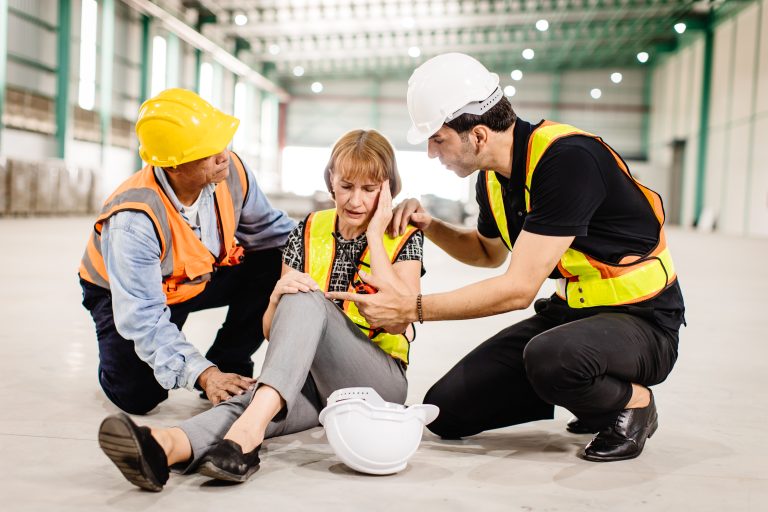
Depending on the severity of the injury, the application of First Aid at work can have many benefits and, in severe cases, can even save a life.
First Aid is not about becoming a trained doctor or nurse. It is about providing assistance and comfort to those in need.
The potential benefits include:
-
Alleviating pain and anxiety
-
Preventing further damage and infection to the body
-
Stopping significant blood loss and preventing life-threatening wounds from worsening
The Aim of First Aid
-
Promotes recovery
-
Gives emotional support and reassurance to the patient
-
Preserves life
-
Teaches life skills and abilities that can be used outside the workplace and even with members of your own family
Safe Practices at Work
There are immediate “safe practices” that should be applied and followed at every premise with employees present.
At a bare minimum, these should include:
-
A First Aid box or Medical Kit being immediately available
-
Easy access to Emergency Medical Services during an incident
-
At least one person assigned as a trained First Aider to be present during work hours
The size and number of these precautions should be appropriate for each workplace and the risks on the premises.
Understanding the Role of a First Aider
Importance of Preventing Cross Infection
If you are providing First Aid to an injured employee, it is essential that any risk of infection is minimised. This is important for both the patient and the safety of the First Aider.
Recommended actions:
-
Cover any cuts, grazes or wounds with a protective dressing
-
Wear gloves when in direct contact with blood or bodily fluids
Preventing Cross Infection – Additional Precautions
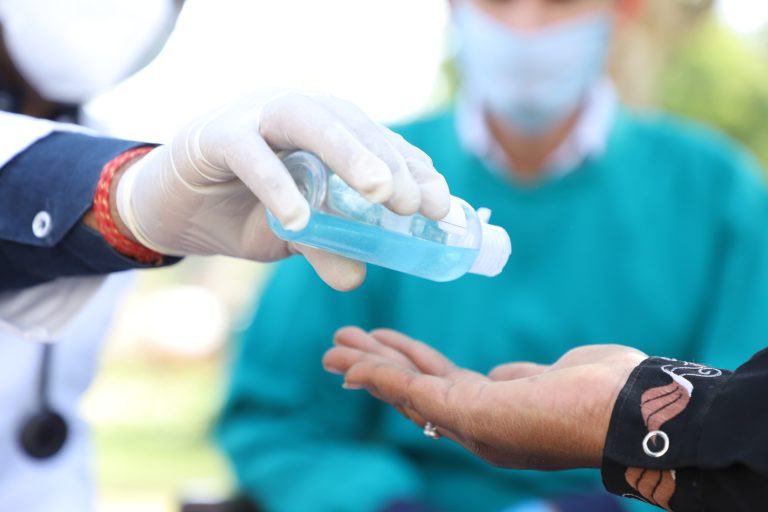
If possible:
-
Wear eye/face protection and a protective uniform
-
Thoroughly wash exposed skin before and after contact with the patient
-
Use anti-bacterial gel when cleaning yourself
-
If the risk of blood infection is very low, still remain cautious and take appropriate measures
Further Infection Control Measures
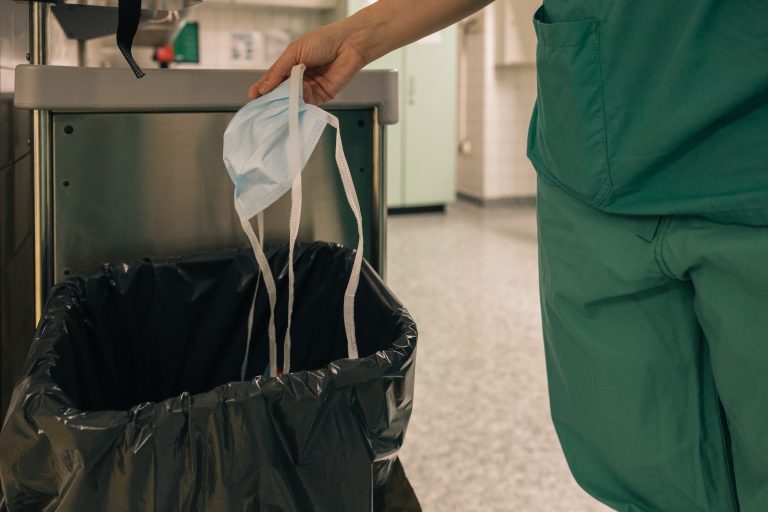
-
Dispose of all waste and stained materials safely
-
Never directly touch a wound or exposed bone with bare hands
-
Do not cough or sneeze near the patient
-
Do not breathe directly onto the patient
Thorough Hand Washing
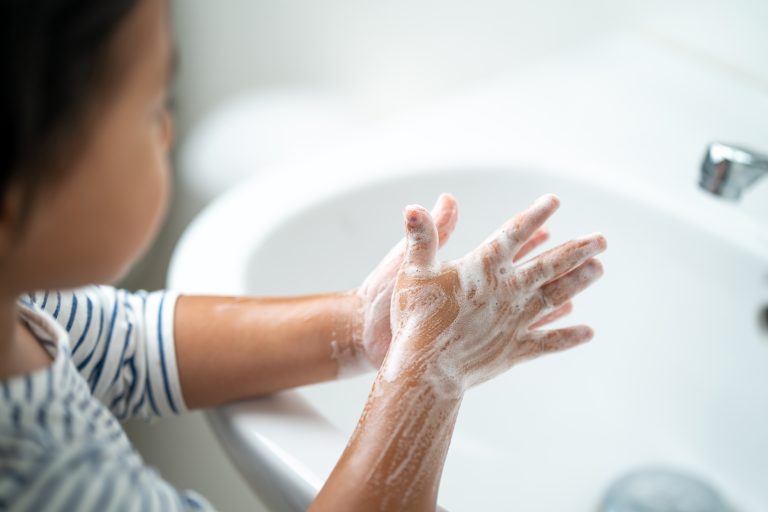
Due to the importance of cleanliness and sanitary conditions, you should wash your hands before and after treating an injured person.
When washing your hands, pay special attention to:
-
Palms
-
Backs of hands
-
Fingers and thumbs
-
Fingernails and creases
Using Protective Gloves
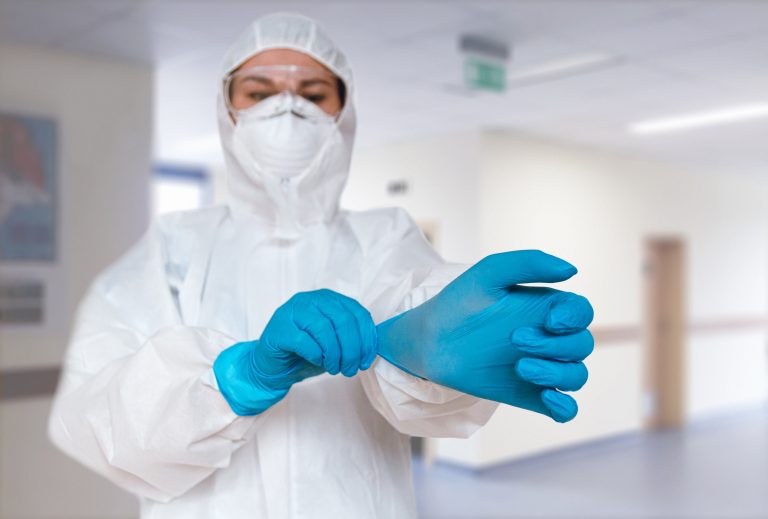
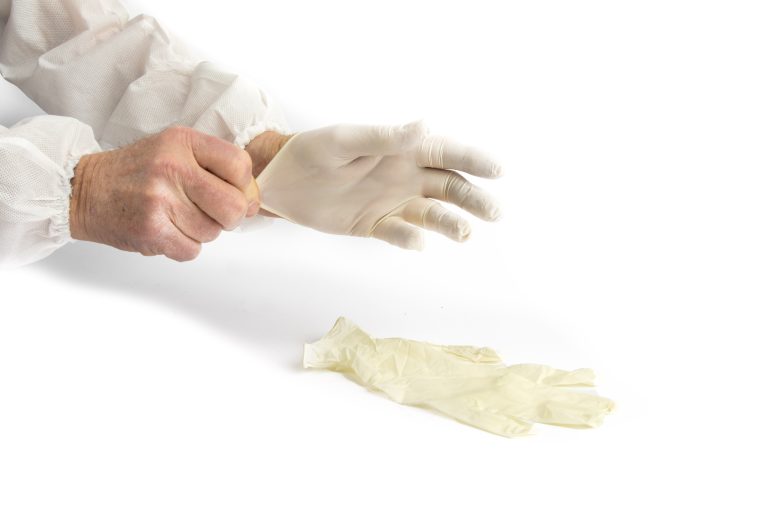
Disposable gloves should be used wherever possible to protect both the First Aider and the patient.
Latex-free gloves are preferable, as some people have serious allergic reactions to latex.
Gloves should be disposed of after use and never reused.
Donning and Removing Gloves
-
Always wash your hands before wearing gloves
-
Touch each glove only by the top and pull on without touching the palm area
-
When putting on the second glove, try not to touch the skin underneath
-
After treatment, remove gloves by holding the top edge and peeling off inside-out
-
Dispose of gloves safely, ideally in a clinical disposal bag
Arriving at the Scene
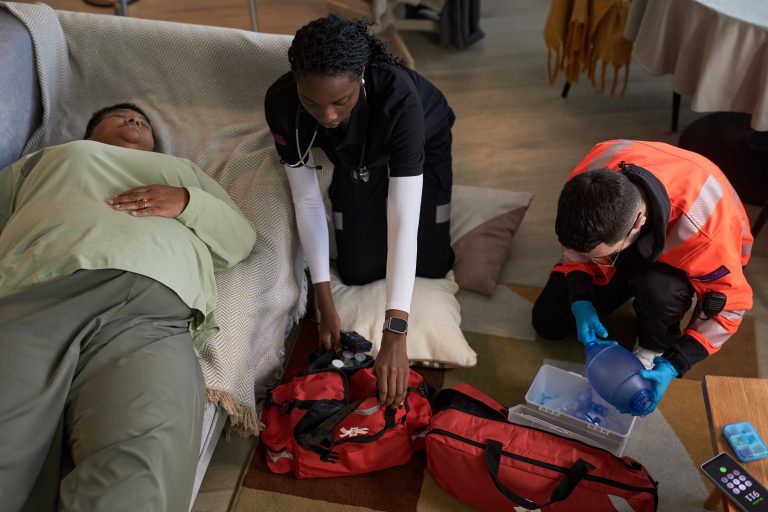
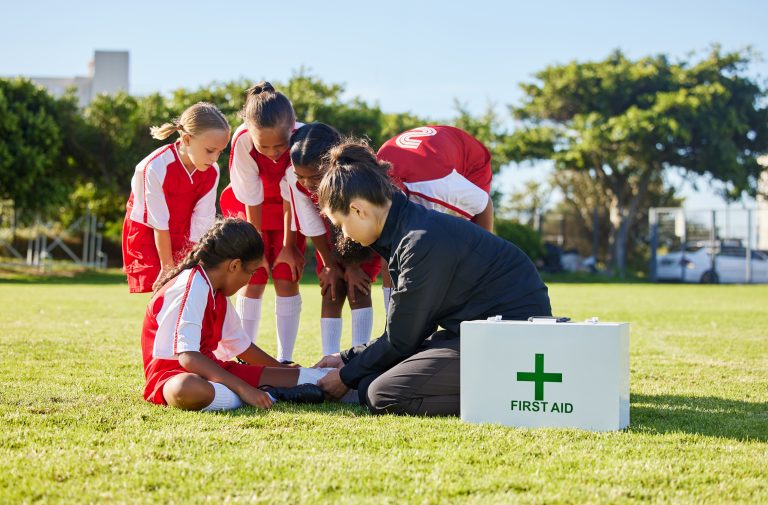
A First Aider will be the primary contact when an injury occurs and has responsibilities.
Key points:
-
Make the area safe and clear away unnecessary personnel
-
Get as much information about the incident as possible
-
Collect information about the patient, including medical conditions or allergies
Arriving at the Scene – Behaviour
-
Remain as calm and confident as possible – panic is contagious
-
Do not be afraid to ask for assistance or contact emergency services
-
Always be honest about your training and skills
-
Never attempt any treatment you are not familiar with
Recording Incidents and Actions
When a First Aider attends an incident, details should be recorded as soon as possible after treatment.
This information helps:
-
Emergency services assess the situation
-
Ensure accurate reporting
All personal information must remain confidential.